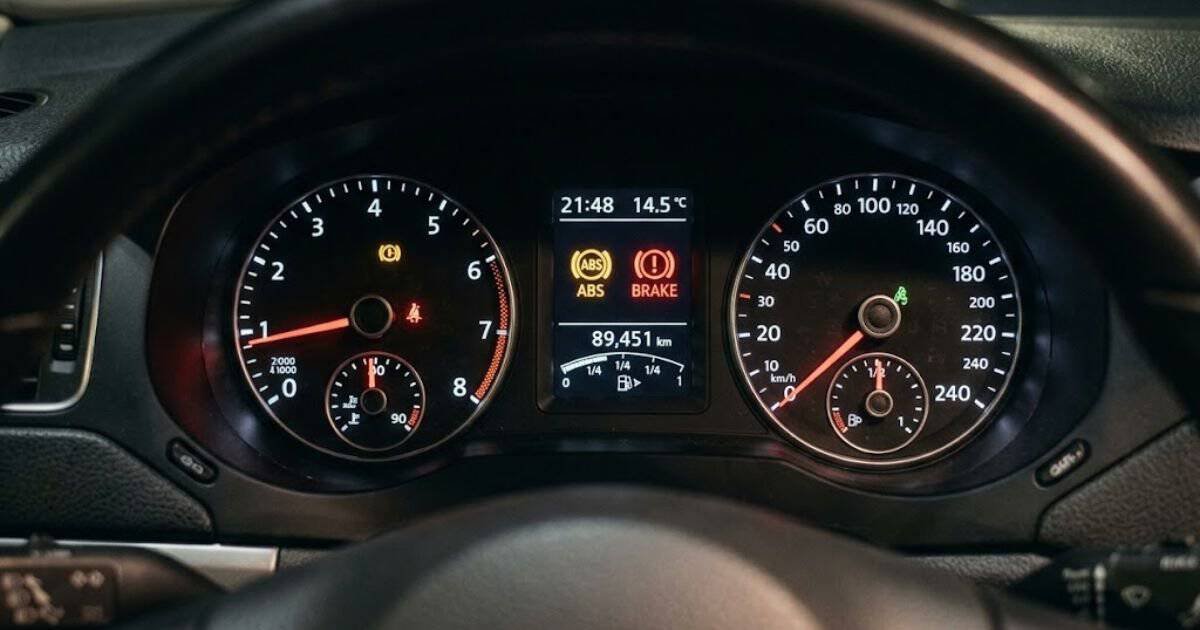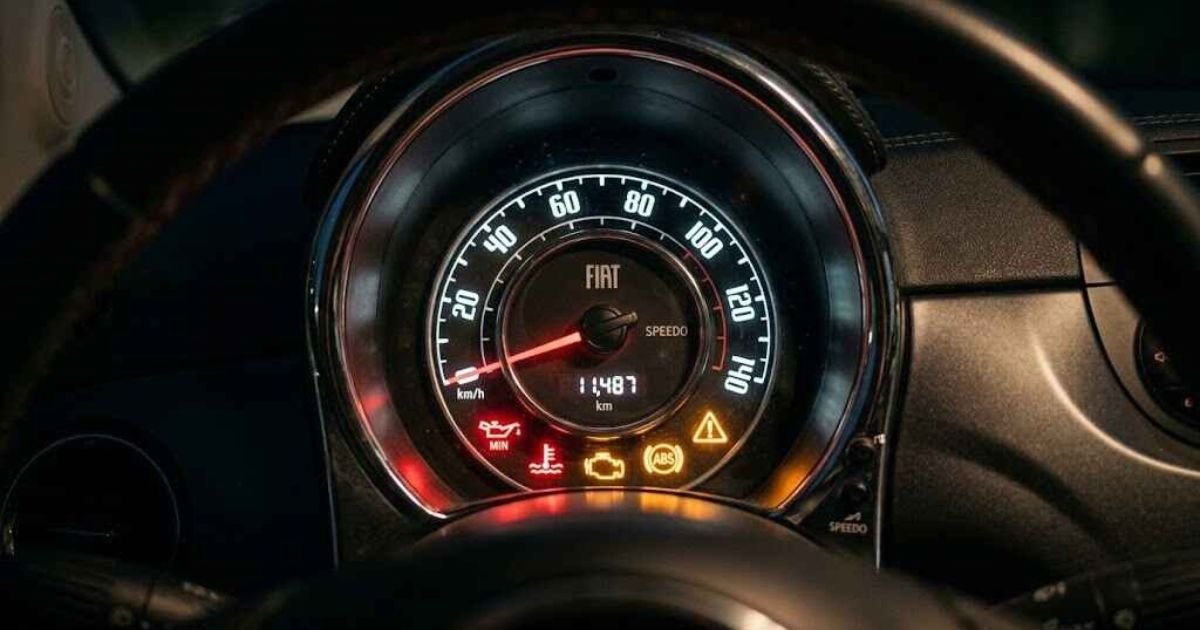
A warning light on your Fiat 500 dashboard can mean anything from low fuel to a fault that makes driving unsafe. The symbol, its color, any dashboard message, and the way your car behaves help you decide what to do next.
If the red oil-pressure warning or an engine-overheating warning appears while driving, pull over safely and switch off the engine. If the red brake warning remains on after you release the handbrake, or steering or braking suddenly becomes difficult, stop safely and arrange assistance.
A steady amber check engine light may allow cautious driving to a safe location if the car runs normally. A flashing check engine light, particularly with engine shaking or loss of power, requires more urgent attention.
In this guide
This guide explains Fiat 500 dashboard symbols, warning light meanings, when you can drive, and what to check first. Symbols and equipment vary by model year, engine, transmission, trim, and market, so always confirm the instructions for your particular vehicle.
Fiat 500 Dashboard Symbols and Warning Light Meanings
Use this reference table to identify common Fiat 500 warning lights and understand the first action to take. Not every symbol or feature appears on every version.
| Fiat 500 dashboard symbol | Typical color | What it means | First action |
|---|---|---|---|
| Oil can | Red | Possible low engine oil pressure | Stop safely and switch off the engine. |
| Coolant thermometer | Red | Possible engine overheating | Stop safely and let the engine cool. |
| Brake warning symbol | Red | Handbrake applied or possible brake-system fault | Release the handbrake. If the warning remains, stop safely. |
| Battery symbol | Red | Possible charging-system fault | Find a safe place to stop and seek diagnosis. |
| Seat-belt symbol | Red | Seat belt reminder | Fasten the seat belt and check the display. |
| Check engine light | Amber | Engine-management or emissions fault | Arrange diagnosis; assess symptoms before driving. |
| Flashing check engine light | Amber | Possible active misfire or serious engine fault | Avoid continued driving, especially if the engine shakes or loses power. |
| ABS symbol | Amber | Possible anti-lock braking system fault | Drive cautiously only if normal braking remains and no serious warning appears. |
| Airbag or SRS symbol | Usually amber | Possible restraint-system fault | Arrange an inspection. |
| Tyre-pressure symbol | Amber | Low tyre pressure or monitoring-system warning | Inspect the tyres and check their pressures. |
| Triangle with exclamation mark | Often amber | General warning requiring further identification | Read the dashboard message. |
| ESC or stability-control symbol | Often amber | System intervention, deactivation, or fault | Check the indicator behavior and handbook. |
| EPS or steering symbol | Often amber | Possible power-steering assistance fault | Stop if steering becomes difficult or unsafe. |
| Brake pad wear symbol | Usually amber, where fitted | Brake pads may need inspection | Arrange a brake inspection. |
| Dualogic or transmission warning | Varies | Possible transmission fault on equipped versions | Follow the dashboard message. |
| Start and Stop indicator | Varies | System active, unavailable, or reporting a fault | Check the display if the warning persists. |
| Fuel-pump symbol | Amber | Low fuel level | Refuel as soon as practical. |
| Door, bonnet, or boot symbol | Varies | An opening may not be fully closed | Park safely and secure the opening. |
Important: A symbol's color alone does not determine whether driving is safe. The exact message, other warning lights, and changes in braking, steering, temperature, or engine performance also matter.
Can I Drive My Fiat 500 With a Warning Light On?
If you have just noticed a warning light, use this table to decide what to do before troubleshooting.
| Warning light or symptom | Can you drive? | Urgency and immediate action |
|---|---|---|
| Red oil-pressure warning | No | Stop safely and switch off the engine. Arrange assistance if the cause is unclear. |
| Engine overheating warning | No | Stop safely and switch off the engine. Never open a hot coolant cap. |
| Red brake warning remains on after releasing the handbrake | Do not continue | Stop safely, particularly if braking feels abnormal. Arrange assistance. |
| Flashing check engine light | Avoid continued driving | Reduce engine load and stop safely, especially if the light persists or symptoms appear. |
| Steady check engine light, normal engine behavior | Sometimes, cautiously | Get the fault checked promptly. Stop if symptoms develop. |
| ABS light only, normal braking | Possibly, with caution | Allow extra stopping distance and arrange an inspection. |
| ABS light with a red brake warning or abnormal pedal | No | Stop safely and arrange assistance. |
| Airbag warning | The car may still move, but a safety system may be affected | Arrange prompt inspection. |
| Tyre-pressure warning | Check before continuing | Measure pressure and inspect the tyre. Do not drive on a damaged or rapidly deflating tyre. |
| EPS warning with heavy or unpredictable steering | No | Stop safely and arrange assistance. |
| Amber triangle only, no symptoms | Depends on the message | Read the display and identify the underlying warning. |
| Battery warning while the engine is running | Limit driving and seek assistance | A charging fault can lead to electrical failure or a stalled vehicle. |
This is general safety guidance, not a substitute for the instructions in your owner's handbook. If the car becomes difficult to control, braking changes, or a serious warning appears, prioritize stopping safely over reaching a garage.
What Do Fiat 500 Warning Light Colors Mean?
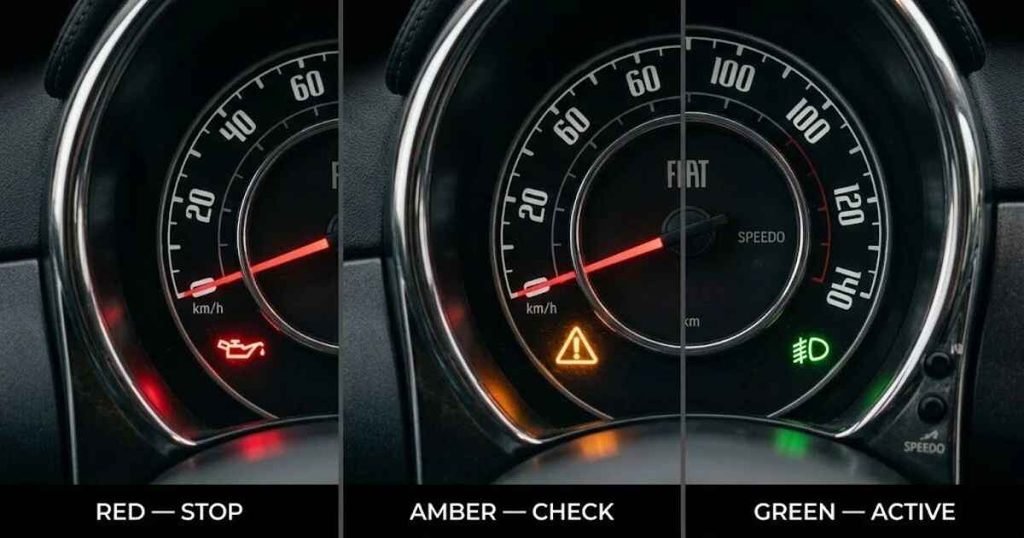
Red warning lights
Red warnings often indicate a condition requiring immediate attention. The red oil-pressure warning, engine-temperature warning, and serious brake warning are particularly important.
Pull over somewhere safe and follow the instructions for the specific warning. Do not continue driving just because the engine still runs.
Amber or yellow warning lights
Amber or yellow lights usually indicate a fault, a system that needs checking, or a condition requiring attention. Examples include the check engine, ABS, tyre-pressure, and stability-control warnings.
Some amber warnings allow cautious driving, while others become urgent if symptoms develop. Read the dashboard message and check the handbook rather than assuming every amber light is harmless.
Green and blue lights
Green and blue indicators commonly show that a feature is active, such as exterior lighting or high beams. They are usually status indicators rather than fault warnings.
Identify the actual symbol before deciding what it means.
Common Fiat 500 Warning Lights Explained
Fiat 500 Oil Warning Light
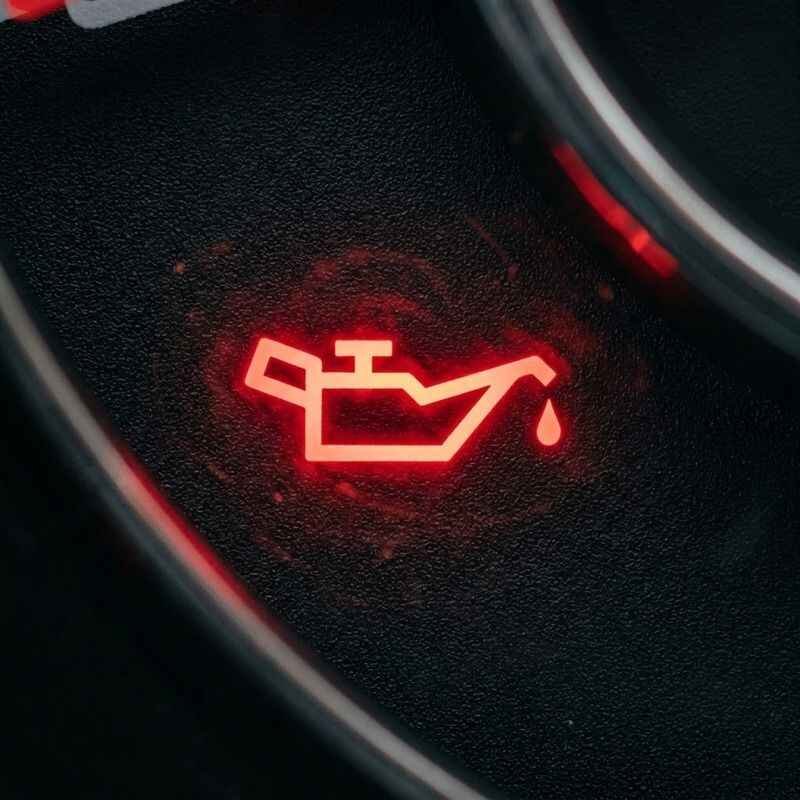
The red oil-can symbol can indicate low engine oil pressure. Without adequate lubrication, engine components can suffer serious damage.
An oil-pressure warning is not the same as an oil-change or service reminder. The red oil-pressure warning concerns lubrication pressure. A maintenance reminder generally indicates that scheduled servicing is due.
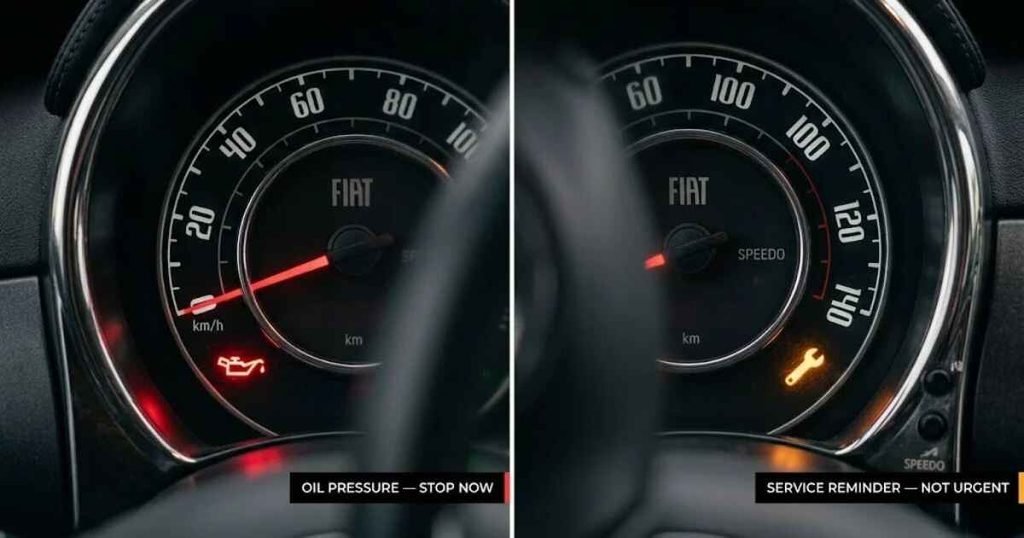
If the red oil-pressure warning appears while driving, stop safely and switch off the engine. Once parked safely, check the oil level according to the handbook. A normal dipstick reading does not prove that oil pressure is safe.
Do not repeatedly restart the engine to see whether the light disappears. If the cause is not clear, arrange professional diagnosis or recovery.
Read our detailed guide to the Fiat 500 oil warning light.
Fiat 500 Temperature Warning Light
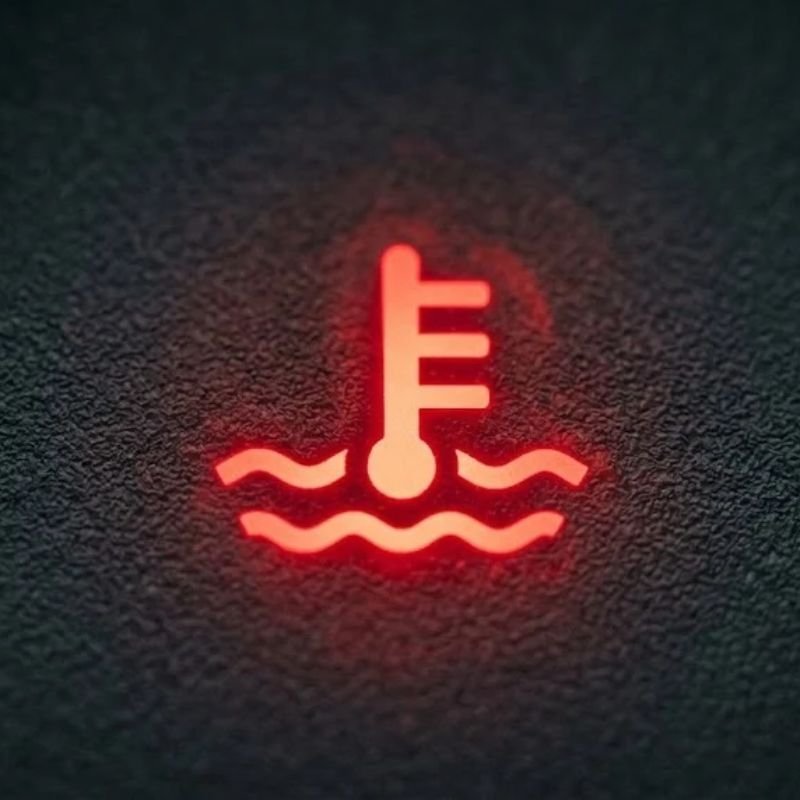
A temperature warning can indicate that the engine is overheating. Continued driving may cause serious engine damage.
Stop safely and switch off the engine. Allow it to cool before inspecting the cooling system. Never remove a hot coolant reservoir cap because pressurized coolant can escape and cause severe burns.
After the engine has cooled, check the coolant level only as described in the handbook. If coolant is low, a leak is visible, or the warning returns, arrange assistance rather than continuing the journey.
Read the Fiat 500 temperature warning light guide.
Fiat 500 Brake Warning Light
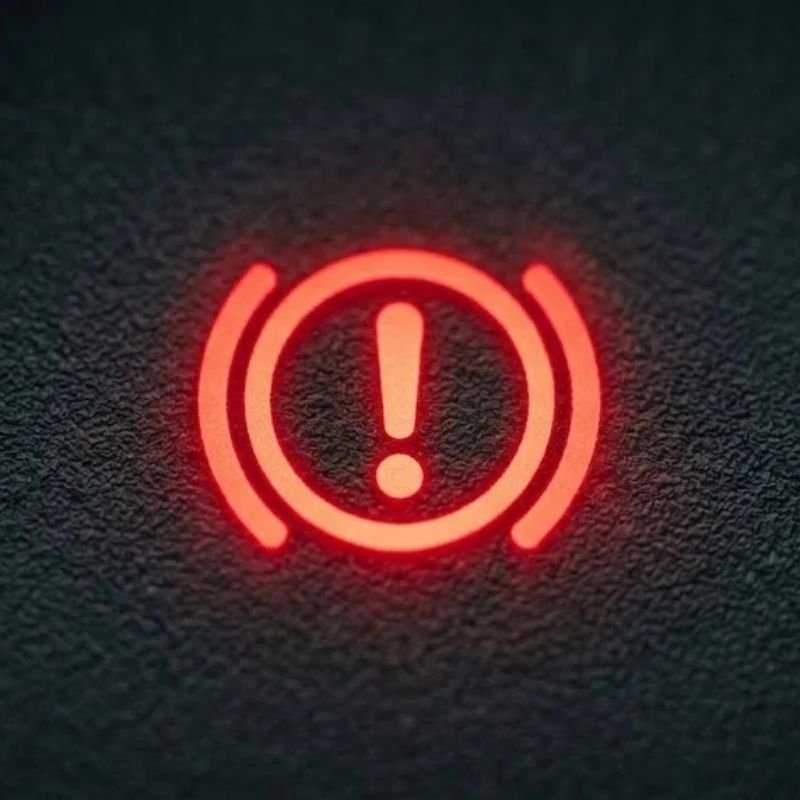
The red brake symbol may mean the handbrake is applied, brake fluid is low, or the braking system has detected a fault.
First, make sure the handbrake is fully released. If the warning remains on, stop safely and check the handbook. Do not continue driving if the brake pedal feels soft, braking performance changes, or you see signs of a fluid leak.
Do not treat a low brake-fluid warning as a simple top-up task. The cause needs to be identified because a leak or other brake fault can affect your ability to stop.
Read the Fiat 500 brake warning light guide.
Fiat 500 Brake Pad Warning Light
A brake pad wear warning, where fitted, indicates that the brake pads may need inspection or replacement. Not every Fiat 500 has electronic brake pad wear sensors.
Arrange a brake inspection promptly. If you hear grinding, notice reduced braking performance, or experience unusual vibration, stop driving if the brakes may be unsafe and arrange assistance.
A technician can inspect the remaining pad material and check whether the discs or other components are also damaged. Confirm whether your version has a wear indicator by checking the handbook.
Fiat 500 Battery Warning Light
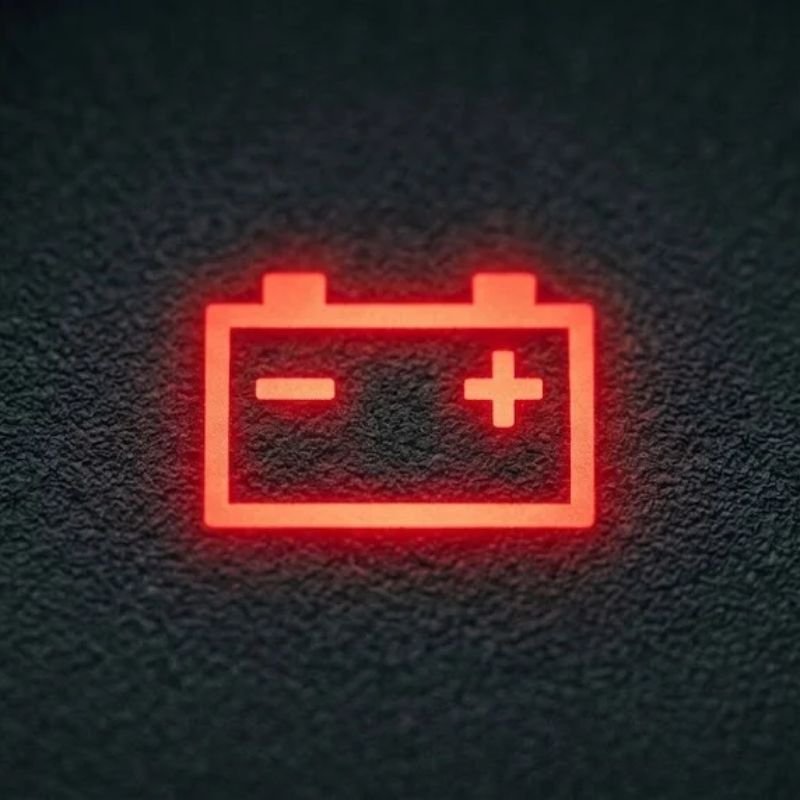
The battery-shaped symbol often indicates a charging-system problem rather than a battery fault alone. Possible causes include an alternator fault, wiring issue, poor electrical connection, or another charging-system problem.
If the light remains on while the engine is running, find a safe place to stop and seek assistance. The vehicle may eventually lose electrical power or fail to restart.
Do not assume a new battery will fix the warning. The battery, alternator, connections, and charging system may need testing.
Fiat 500 Check Engine Light
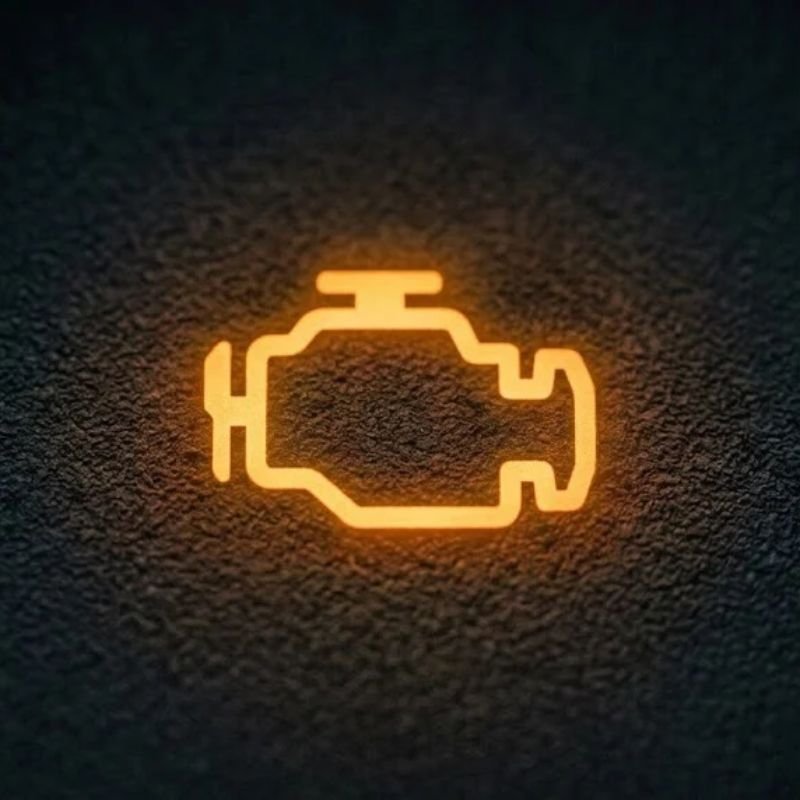
The amber engine-shaped symbol usually indicates an engine-management or emissions-related fault. The light alone cannot identify the failed component.
A steady check engine light with normal engine performance may allow cautious driving to a safe location or repair facility. A flashing light, rough running, substantial power loss, strong fuel smell, or unusual mechanical noise calls for more urgent attention.
Note whether the engine is shaking, whether the warning appeared after refuelling, and whether other warning lights appeared at the same time. An OBD-II diagnostic scan can retrieve stored fault codes and help narrow down the cause.
A diagnostic code is a starting point, not proof that a particular part needs replacing. Wiring, connectors, air leaks, and other faults can sometimes produce similar codes.
Read our Fiat 500 check engine light guide.
Fiat 500 ABS Warning Light
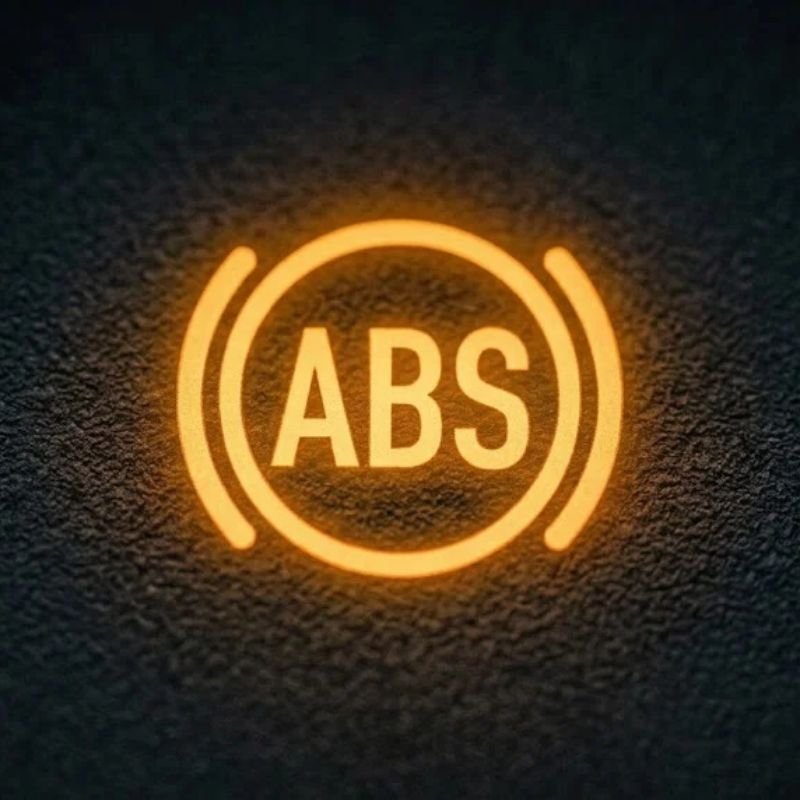
The ABS warning indicates a possible fault with the anti-lock braking system. Depending on the version, related stability-control functions may also be affected.
The regular brakes may still work, but anti-lock protection may be unavailable. This can affect the car's response during hard braking, particularly on slippery roads.
If braking feels normal and no serious brake warning is present, drive cautiously only as needed to reach a suitable repair facility. Leave extra stopping distance and avoid unnecessary high-speed driving.
Possible causes can include a wheel-speed sensor, wiring or connector fault, or another ABS component. The warning alone cannot confirm which part has failed, so diagnosis is needed. If the red brake warning also appears or the pedal feels abnormal, stop safely and arrange assistance.
Read the Fiat 500 ABS warning light guide.
Fiat 500 Airbag Warning Light
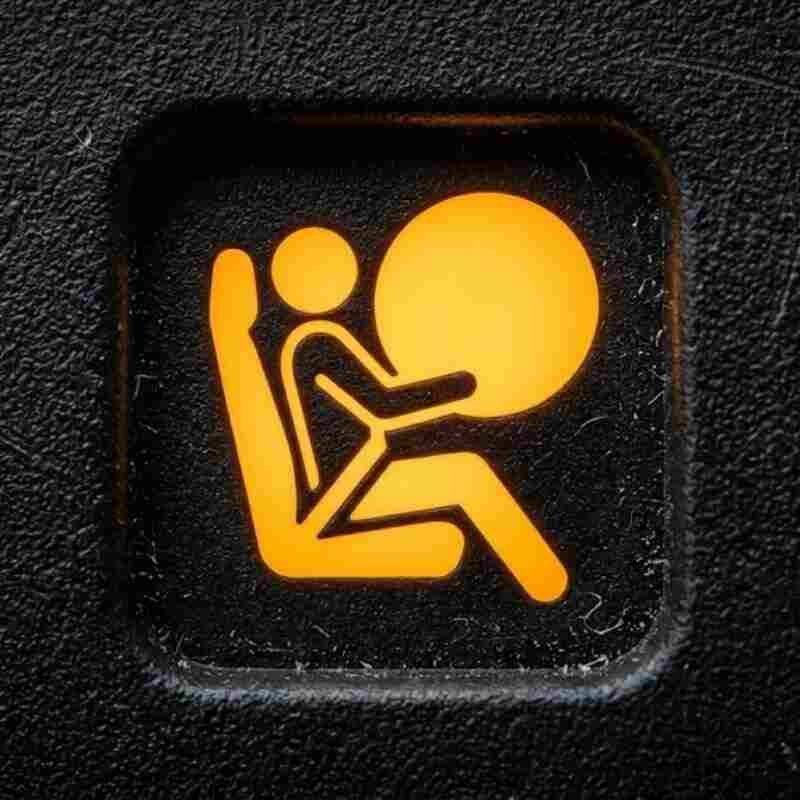
An illuminated airbag or SRS warning can indicate a fault in the airbag system, seat-belt pretensioners, or related restraint components.
The car may still drive normally, but that does not confirm that the safety system will work as intended in a collision.
Arrange a diagnostic inspection. Do not probe airbag wiring or unplug restraint-system connectors without the correct training and procedure.
Read the Fiat 500 airbag warning light guide.
Fiat 500 Tyre Pressure Warning Light
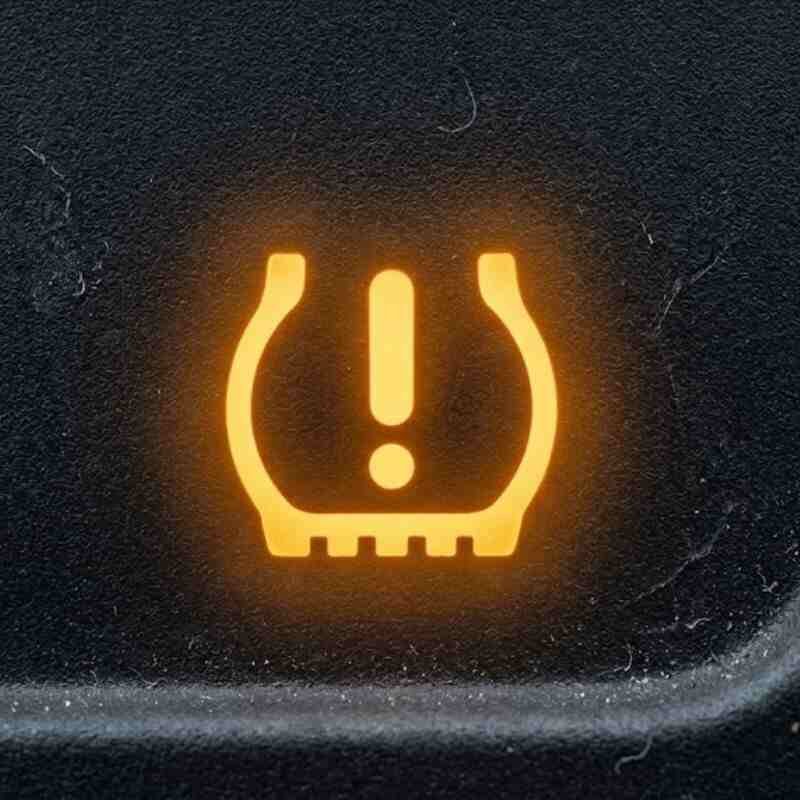
The tyre-shaped symbol with an exclamation mark may indicate low tyre pressure or a tyre-pressure monitoring-system warning.
Stop somewhere safe and inspect the tyres. Use a pressure gauge to compare the readings with the recommended pressures for your vehicle. A tyre can be underinflated without looking obviously flat.
If a tyre is visibly damaged, losing air quickly, or causing the car to pull or handle abnormally, do not continue driving on it.
If the pressures are correct but the warning remains, the monitoring system may need checking. Follow the handbook's instructions for any reset procedure.
Read the Fiat 500 tyre-pressure warning light guide.
Fiat 500 EPS or Power Steering Warning Light
A power-steering warning can indicate a fault in the electric steering-assistance system. Steering may become heavier if assistance is reduced or lost.
If steering suddenly becomes difficult, unpredictable, or unsafe, stop in a safe location. Do not continue into traffic simply because the steering wheel can still turn.
A weak battery or charging-system fault can sometimes affect electrical systems, but the underlying cause needs to be confirmed.
Read the Fiat 500 EPS power steering light guide.
Fiat 500 Triangle Warning Light
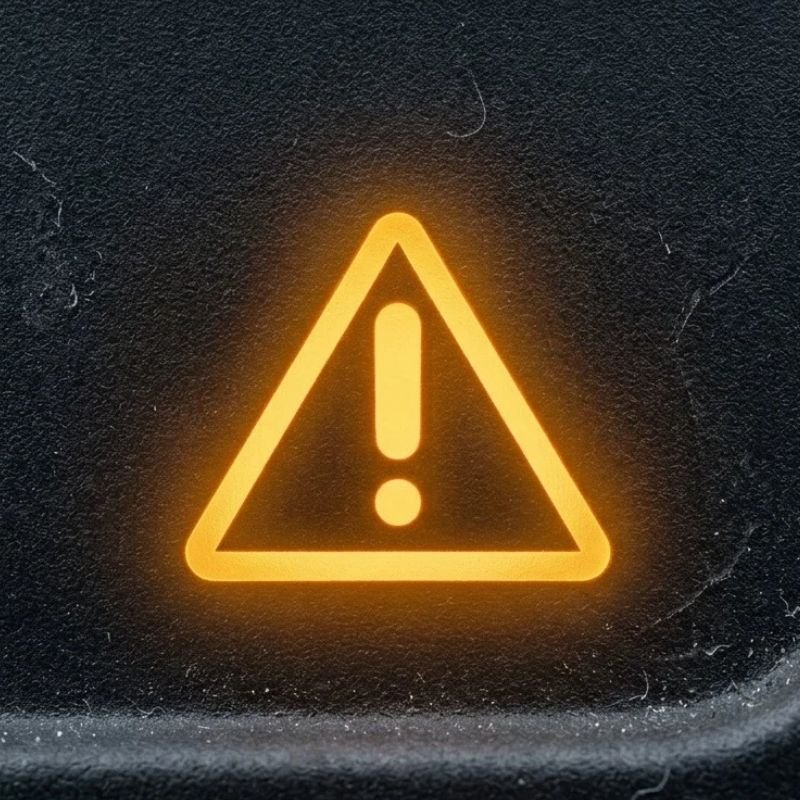
The amber triangle with an exclamation mark is commonly used as a general warning indicator. Its precise meaning depends on the model, equipment, and accompanying dashboard message.
Start by reading any message on the instrument display. Check whether another warning light is illuminated. If the message concerns an exterior bulb, inspect the relevant lights when safely parked. If the warning remains unexplained, consult the handbook or arrange a suitable diagnostic scan.
If the triangle appears with a red oil, temperature, or brake warning, prioritize the specific warning and follow its safety instructions.
Do not disconnect the battery simply to make the triangle disappear. Clearing a warning does not repair the underlying fault and may remove useful diagnostic information.
Read our Fiat 500 triangle warning light guide.
Fiat 500 ESC and Hill Holder Warnings
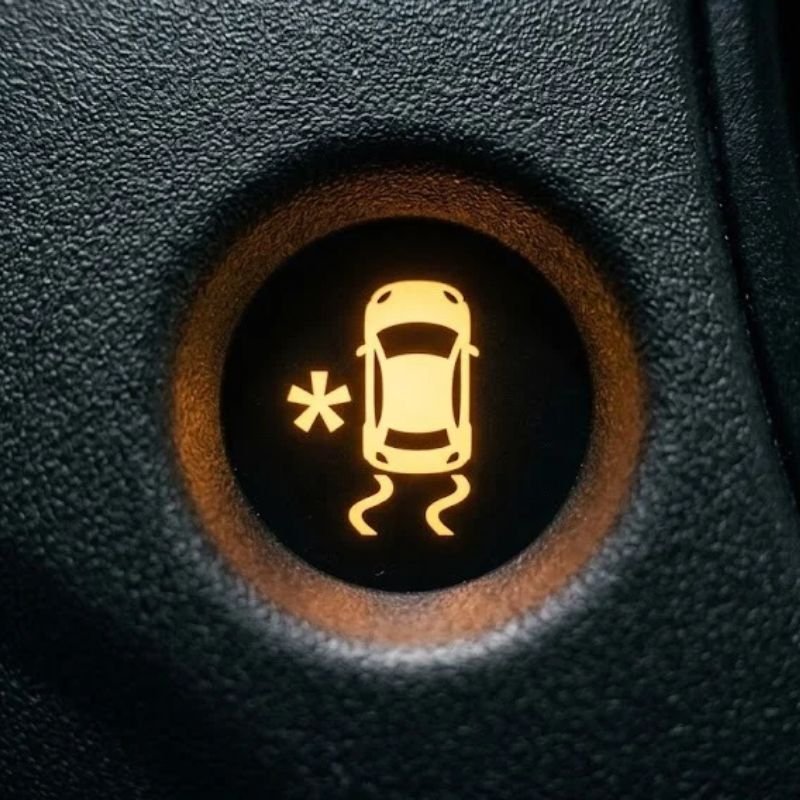
Electronic Stability Control helps the vehicle maintain stability when the system detects a loss of traction or control. A flashing indicator may mean the system is intervening, while a light that stays on or appears with a fault message can indicate that a feature is disabled or has a fault.
Hill Holder, where fitted, helps prevent the vehicle from rolling briefly when moving away on a slope. If the feature is unavailable, use the normal parking brake and careful pedal control.
Check the dashboard message and handbook for your version. If stability or traction control is unavailable, drive carefully, particularly on wet or slippery roads. If braking or steering is also affected, stop safely.
Fiat 500 Dualogic or Transmission Warning
Some Fiat 500 versions use a Dualogic automated transmission. A transmission warning can indicate a fault affecting gear selection or operation.
Follow the dashboard message and handbook instructions. If the transmission will not select gears, the car loses drive, or shifting becomes abnormal, do not keep forcing the vehicle to move. Stop safely and arrange professional diagnosis or recovery if needed.
This advice applies only to versions equipped with the relevant transmission.
Fiat 500 Start and Stop Warning Light
The automatic Start and Stop system can switch the engine off temporarily when the vehicle is stationary to reduce fuel consumption. On equipped versions, the system may be unavailable when operating conditions are unsuitable.
Battery condition, engine temperature, climate-control demand, and other conditions can affect operation. A temporarily unavailable system does not automatically mean the engine has failed.
If the warning persists or appears with other electrical warnings, consult the handbook and have the battery and charging system checked. Do not assume a battery replacement will solve every Start and Stop warning.
Fiat 500 Fuel Warning Light
The amber fuel-pump symbol indicates that the fuel level is low and the reserve threshold has been reached. It is generally a reminder to refuel, not a mechanical fault.
Refuel as soon as practical rather than relying on an estimated remaining range. The amount of fuel left when the warning appears varies by model, engine, and driving conditions.
Fiat 500 Door, Bonnet, or Boot Warning
An open-door or body-panel warning indicates that a door, bonnet, or boot may not be fully closed. The display may identify the affected opening, depending on the version.
Park safely and check that the opening is properly latched. Do not continue driving if a door or bonnet is unsecured. If the warning remains despite checking all openings, a latch sensor or related electrical component may need inspection.
Why Are Multiple Fiat 500 Warning Lights On at Once?
Several warning lights appearing together can sometimes point to a shared electrical or system problem. They can also represent separate faults, so the combination matters.
A charging-system fault, low battery voltage, wiring problem, or control-module issue can affect more than one system. Several electrical warnings at startup may justify checking the battery and charging system, but they do not prove the battery is the cause.
First, identify any immediate danger. If the oil-pressure, overheating, or serious brake warning appears, or the vehicle loses safe steering or braking, stop safely.
Next, record the symbols and dashboard messages. Note whether they appeared at startup or while driving and whether the vehicle's behavior changed.
A suitable diagnostic scan can help identify which systems reported faults. A basic OBD-II reader may access engine and emissions codes but may not read every ABS, airbag, steering, or transmission module.
See our guide to multiple warning lights on at once.
What to Do When a Fiat 500 Warning Light Comes On
Follow these four steps to make a safer decision when a new warning appears.
- Identify the symbol and color. Red oil-pressure, overheating, and serious brake warnings need immediate attention.
- Check whether the light is steady or flashing. A flashing check engine light can indicate a serious engine fault, particularly when the engine shakes or loses power.
- Read the dashboard message. Record any displayed text and consult the owner's handbook for your model, engine, and equipment.
- Assess how the car behaves. If braking, steering, engine temperature, or power becomes abnormal, stop safely. If the warning permits continued driving and the car behaves normally, proceed cautiously only as needed to reach a safe place or suitable repair facility.
Once the immediate safety question is resolved, arrange the appropriate inspection or diagnostic scan. If the vehicle needs diagnosis, record fault codes before clearing them.
How to Find the Correct Fiat 500 Warning Light Guide for Your Model Year

The exact meaning of a dashboard symbol can vary with model year, engine, transmission, equipment, and market. Confirm that the information matches your vehicle.
Check the model year and engine, then consult the owner's handbook supplied with the car. Fiat's official European handbook portal is available through Fiat eLUM. A handbook may cover several versions, so use only the instructions that apply to your particular vehicle. If your car was sold in another market, use the corresponding local handbook where available.
If you own a 2015 model, see our 2015 Fiat 500 warning lights guide.
This guide covers conventional Fiat 500 models and applicable equipment. The Fiat 500e electric vehicle has a different electric-drive and high-voltage system, so conventional petrol-engine troubleshooting instructions should not be used for high-voltage warnings.
Frequently Asked Questions About Fiat 500 Warning Lights
What do the dashboard symbols on a Fiat 500 mean?
Fiat 500 dashboard symbols show the status of vehicle systems or warn of possible faults. Common symbols include oil pressure, engine temperature, brakes, battery, ABS, airbags, tyre pressure, and the check engine light. The exact meaning depends on the symbol, model year, equipment, and dashboard message.
Can I drive my Fiat 500 with the check engine light on?
Sometimes. A steady amber light with normal engine performance may allow cautious driving to a safe location or repair facility. If the light flashes, the engine runs roughly, power drops significantly, or serious warnings appear, stop safely and seek urgent assistance.
What does a red oil light mean on a Fiat 500?
It can indicate low engine oil pressure, which may cause serious engine damage. Stop safely and switch off the engine. Checking the oil level alone cannot confirm that oil pressure is safe.
Is the oil service reminder the same as the oil-pressure warning?
No. A service reminder generally indicates that maintenance is due, while the red oil-pressure warning can indicate a lubrication problem requiring immediate attention. Check the exact symbol and message in your owner's handbook.
What does the amber triangle mean on a Fiat 500?
It is generally a general-warning indicator, but the precise meaning depends on the model and accompanying message. Read the display, note any other warning symbols, and consult the correct handbook.
Why are multiple warning lights appearing together?
Several warnings can sometimes be related to a battery, charging, wiring, or control-system problem. They can also indicate separate faults. Record the symbols and messages, then arrange suitable testing instead of assuming one battery replacement will solve everything.
What does the Fiat 500 Start and Stop warning mean?
It may indicate that the automatic stop-start system is temporarily unavailable or has detected a fault. Operating conditions and battery health can affect the system. If the warning persists or appears with other electrical warnings, have the vehicle checked.
What does the Fiat 500 fuel warning light mean?
The amber fuel-pump symbol means the fuel level is low. Refuel as soon as practical because the remaining range varies with the model, engine, and driving conditions.
Does every Fiat 500 have a brake pad wear warning?
No. Electronic brake pad wear sensors are not fitted to every version. Consult the owner's handbook and have the brakes inspected if you hear grinding or notice reduced braking performance.
Will disconnecting the battery reset Fiat 500 warning lights?
It is not a reliable universal fix. Some warnings may return immediately, and disconnecting the battery can affect settings or create additional issues. Record diagnostic codes and investigate the underlying cause before attempting a reset.
Final Advice
When a Fiat 500 warning light appears, identify the symbol, read any dashboard message, and decide whether it is safe to continue before troubleshooting. Red oil-pressure, overheating, and serious brake warnings require immediate attention. Some amber warnings allow cautious driving, but flashing engine lights, severe symptoms, or loss of safe control can make continued driving dangerous.
Use the correct owner's handbook, perform only safe basic checks, and get diagnostic help when the cause is unclear. A warning light should never be ignored simply because the car still starts or seems to drive normally.