
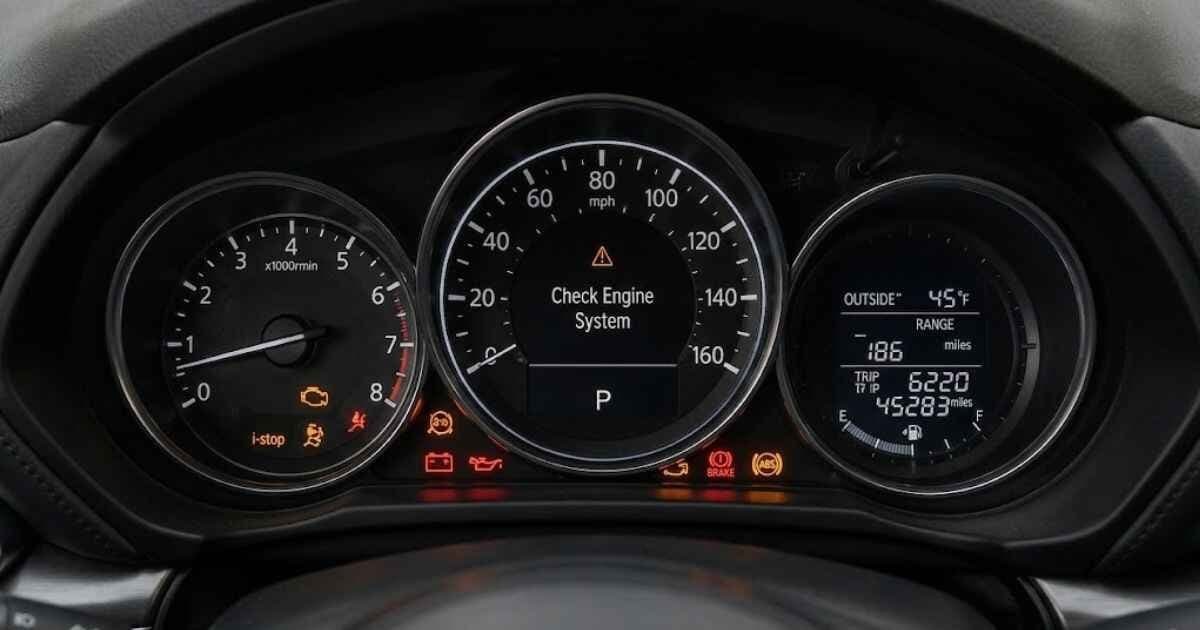
Quick Answer: Mazda CX-5 Warning Lights
Mazda CX-5 warning lights tell you what system needs attention and how urgently you should respond. Red warning lights such as the brake, charging-system, engine-oil, and high coolant-temperature warnings can require immediate action. A steady check engine light requires diagnosis, while a flashing check engine light needs prompt attention and should not be driven at high speed. Always check the symbol against the owner’s manual for your exact CX-5 model year.
In this guide, you’ll learn:
- What the most common Mazda CX-5 warning lights mean
- Which lights require immediate attention
- Which warnings may allow cautious driving
- What certain CX-5 warning combinations can indicate
- How to diagnose a warning light before replacing parts
What Do Mazda CX-5 Warning Lights Mean?
Mazda uses warning and indicator lights to tell the driver when a vehicle system needs attention or when a feature is operating.
Some warnings are serious enough to require stopping immediately. Others indicate a system fault that should be diagnosed soon, while some lights simply show that a feature is active.
The color, symbol, whether the light is steady or flashing, and how the vehicle is behaving all matter.
For example, Mazda’s current CX-5 owner’s manual lists dedicated warnings for the brake system, charging system, engine oil, coolant temperature, ABS, check engine, automatic transmission, AWD, TPMS, airbags, and several driver-assistance systems.
Common Mazda CX-5 Warning Lights
Battery or Charging System Light
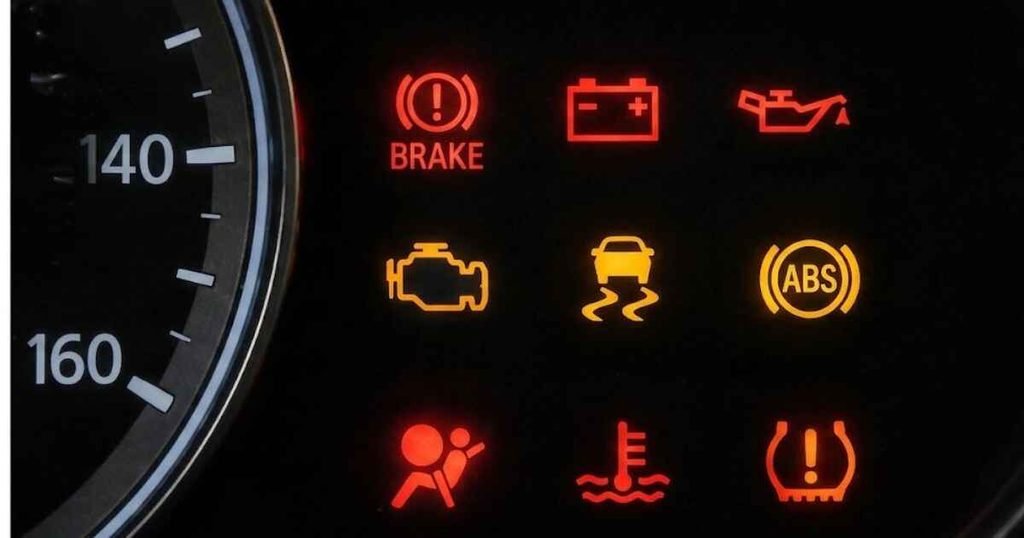
The battery-shaped charging-system warning normally illuminates during the vehicle’s startup check. If it comes on while driving, Mazda says there is a problem with the charging system.
A charging-system failure can eventually leave the battery without enough power to keep the vehicle operating.
What to do: Park somewhere safe and have the charging system inspected. Mazda specifically advises against continuing to drive with this warning illuminated.
Brake System Warning Light
The red brake warning light can indicate insufficient brake fluid or a problem with the brake system.
If it remains illuminated after confirming that the parking brake is fully released, don’t assume the vehicle is safe simply because the brake pedal still feels normal.
What to do: Stop in a safe location and have the braking system inspected. Mazda warns that driving with the brake warning illuminated can be dangerous because braking performance could be compromised.
Engine Oil Warning Light
The engine-oil warning light indicates that engine oil pressure has decreased.
This is one of the warnings you should never ignore because inadequate oil pressure can cause serious engine damage.
What to do: Stop the vehicle safely and switch the engine off. Do not continue driving with the engine-oil warning illuminated.
High Engine Coolant Temperature Warning Light
A high coolant-temperature warning means the engine temperature has become excessively high.
Continuing to drive an overheated engine can cause serious damage.
What to do: Stop safely and follow the overheating instructions for your CX-5. Do not continue driving while the high coolant-temperature warning remains illuminated.
Airbag Warning Light
The airbag and seat-belt pretensioner warning indicates a possible problem with the supplemental restraint system.
The CX-5 may continue to drive normally, but the airbags or pretensioners may not function correctly during a collision.
What to do: Have the system professionally inspected. Mazda advises against attempting to service or tamper with these systems yourself.
ABS Warning Light
The ABS warning light indicates a problem with the anti-lock braking system.
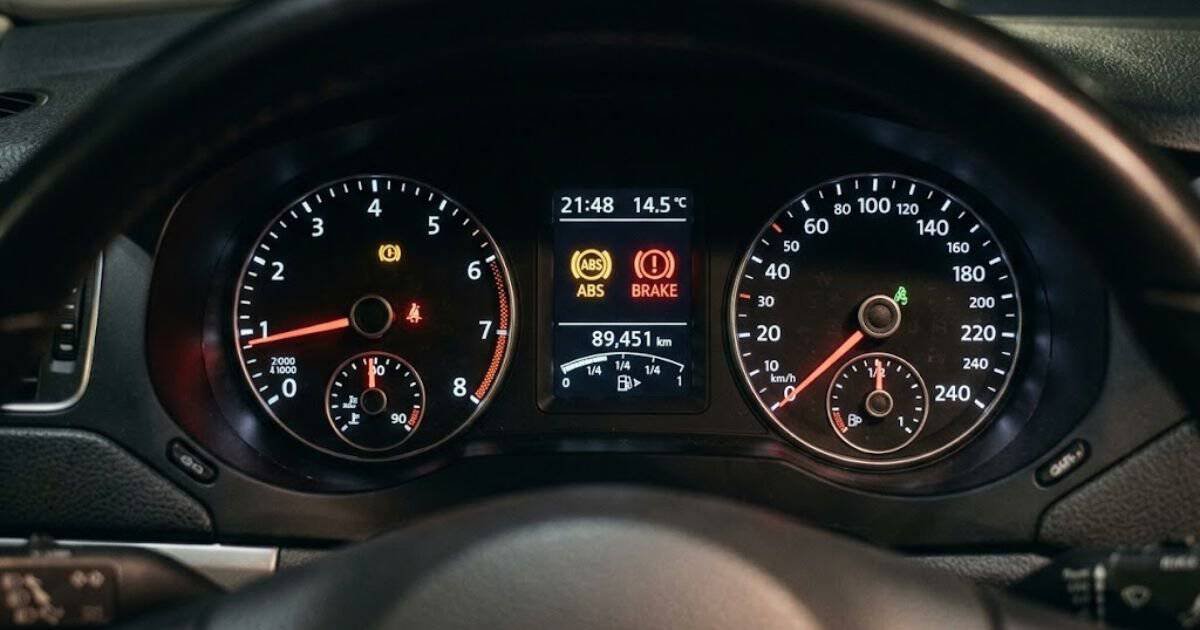
If the ABS light appears together with the brake-system warning light, Mazda advises stopping in a safe location immediately because braking behavior can be affected.
Check Engine Warning Light
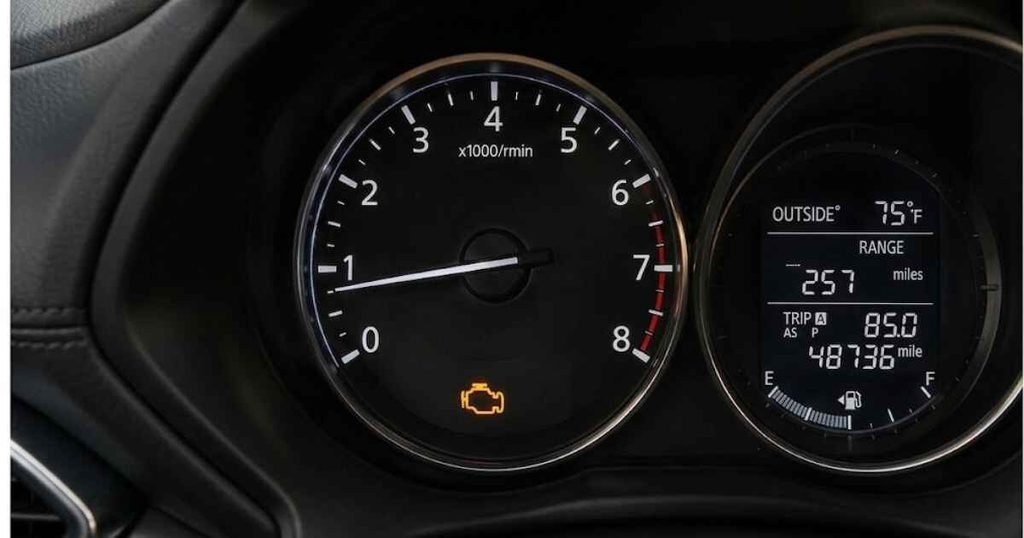
The check engine warning light can indicate a problem with the engine-control, emissions-control, or transmission-control system. Mazda also lists a very low fuel level or a loose or missing fuel-filler cap as possible reasons for the light.
A flashing or persistent check engine warning should not be ignored.
What to do: Avoid high-speed driving and have the vehicle inspected as soon as possible, particularly if the engine is running poorly or other warnings appear.
Automatic Transmission Warning Light
The automatic-transmission warning light indicates a problem with the transmission system.
What to do: Mazda advises against continuing to drive with this warning illuminated because continued operation could damage the transmission. Have the vehicle inspected as soon as possible.
AWD Warning Light
The AWD warning light can indicate a problem with the all-wheel-drive system or a tire-size mismatch.
What to do: Check the message displayed by the vehicle and have the system inspected if the warning remains.
TPMS Warning Light
The tire-pressure monitoring system warning can indicate a tire-pressure problem or, when flashing, a fault with the TPMS itself.
What to do: Check the tire pressures promptly. Mazda warns against high-speed driving when the TPMS warning is illuminated or flashing because tire failure can create a serious safety risk.
Other Mazda CX-5 Warning and Indicator Lights
The CX-5 has many additional warning and indicator lights depending on model year and equipment.
These include:
- Electric power steering warning
- Master warning
- Brake control system warning
- Electric parking brake indicator
- TCS/DSC indicator
- Key warning
- Security indicator
- i-stop warning
- i-ACTIVSENSE warning
- Exterior lights warning
- Low fuel warning
- Engine oil level warning
- Wrench maintenance indicator
- Check fuel-cap warning
- Low washer-fluid warning
- Door, liftgate, or hood-open warning
- Airbag and seat-belt pretensioner warning
Mazda’s current owner’s manual provides a complete warning/indicator-light reference, and the exact equipment can vary by model year and trim.
Which CX-5 Lights Are Not Mechanical Warnings?
Not every illuminated symbol means something has failed.
Some indicators simply tell you that a feature is operating or that a normal vehicle condition is present.
Examples can include:
- AUTOHOLD
- Mazda Radar Cruise Control
- Driver monitoring indicators
- Certain i-ACTIVSENSE indicators
- Seat-belt indicators
- Low-fuel indicators
- Wrench maintenance indicator
The important distinction is whether Mazda identifies the symbol as a warning light or an indicator light for your particular model year.
If you don’t recognize an icon, check your owner’s manual rather than assuming the vehicle has a serious mechanical failure.
Is It Safe to Drive With a Mazda CX-5 Warning Light On?
| Warning | General Action |
|---|---|
| Engine oil pressure | Stop safely and switch off the engine |
| High coolant temperature | Stop safely and do not continue driving |
| Brake system | Stop and have the brakes inspected |
| Charging system | Stop safely and have the system inspected |
| Automatic transmission | Do not continue driving |
| ABS + brake warning together | Stop immediately when safe |
| Check engine, steady | Diagnose promptly; avoid high-speed driving |
| TPMS | Check tire pressure promptly |
| AWD | Check the vehicle message and have it inspected if necessary |
| Driver-assistance warning | Check the displayed message and follow Mazda’s instructions |
The safest rule is simple: if a red warning appears, the vehicle is behaving abnormally, or Mazda’s manual specifically tells you to stop, don’t keep driving just because the CX-5 still moves.
Mazda’s current manual repeatedly advises drivers to park safely and take appropriate action when warning lights illuminate or flash.
“Mazda’s owner’s manual provides specific instructions for warning lights that require you to stop immediately, including the brake, charging-system, engine-oil, and high-engine-temperature warnings.
What Should You Do When a Warning Light Appears?
1. Identify the Exact Symbol
Look closely at the dashboard symbol. Don’t assume an unfamiliar amber light is the check engine light.
2. Check the Vehicle’s Behavior
Notice whether the CX-5 is overheating, losing power, shaking, braking differently, making unusual noises, or showing additional warnings.
3. Read the Display Message
Many CX-5 warnings are accompanied by a message in the instrument cluster or center display. That message can provide important information about what the system detected.
4. Check Simple Causes
Depending on the warning, check basic items such as tire pressure, fuel level, parking-brake status, or engine-oil level.
Don’t perform checks that require working around a hot engine or moving components.
5. Scan for Diagnostic Trouble Codes
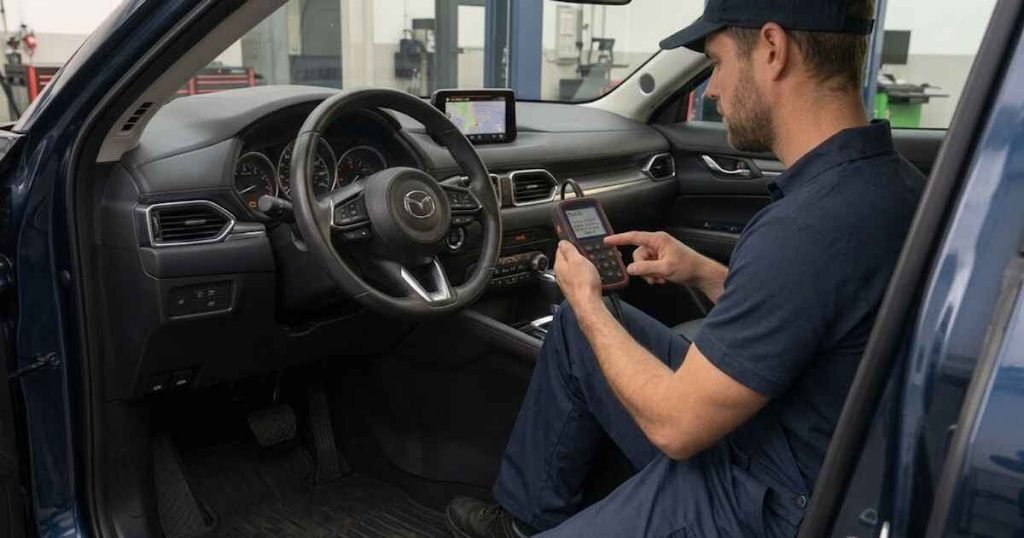
If the check engine light or another electronically controlled system warning appears, an OBD2 scan can provide diagnostic trouble codes.
A code doesn’t always identify the failed component directly, but it can narrow down the possible causes.
6. Don’t Clear the Warning Before Diagnosis
Avoid disconnecting the battery or clearing codes simply to make the dashboard light disappear. Mazda specifically warns against disconnecting the battery cables while the check engine warning is illuminated or flashing.
Frequently Asked Questions
Why did my battery light come on while driving?
The charging-system warning indicates a problem with the vehicle’s charging system. Park safely and have it inspected rather than continuing to drive until the battery becomes discharged.
Is it safe to drive with the brake warning light on?
If the light remains on after the parking brake is fully released, don’t continue driving normally. Mazda advises having the brake system inspected because braking performance could be affected.
What does the coffee cup or driver-attention warning mean?
Depending on the CX-5 model year and equipment, driver-monitoring features can display warnings related to driver attention or inattention. These are driver-assistance alerts rather than conventional engine faults. Follow the message shown by the vehicle and take a break if you’re tired.
Why is my AWD warning light on?
The AWD warning can indicate an AWD-system problem or a tire-size mismatch. Check the vehicle’s displayed message and have the system inspected if the warning remains.
My check engine and transmission warning lights are both on. Is that serious?
It can be. Mazda states that the check engine warning can be related to the transmission-control system, while the automatic-transmission warning indicates a transmission-system problem. Scan the vehicle for diagnostic trouble codes and have it inspected rather than assuming the cause.
Bottom Line
Mazda CX-5 warning lights should be judged by the symbol, color, vehicle behavior, and the instructions for your specific model year.
Oil-pressure, high coolant-temperature, brake, charging-system, and automatic-transmission warnings can require immediate action. A check engine warning requires diagnosis, while TPMS and AWD warnings should also be addressed promptly.
If a warning appears, identify the symbol, read any message displayed by the CX-5, and check the owner’s manual before guessing at a repair.
For the most accurate instructions, use the official Mazda owner’s manual for your exact CX-5 model year and trim, because warning symbols, equipment, and recommended actions can vary between model years.

1 thought on “Mazda CX-5 Warning Lights: What Each One Means”