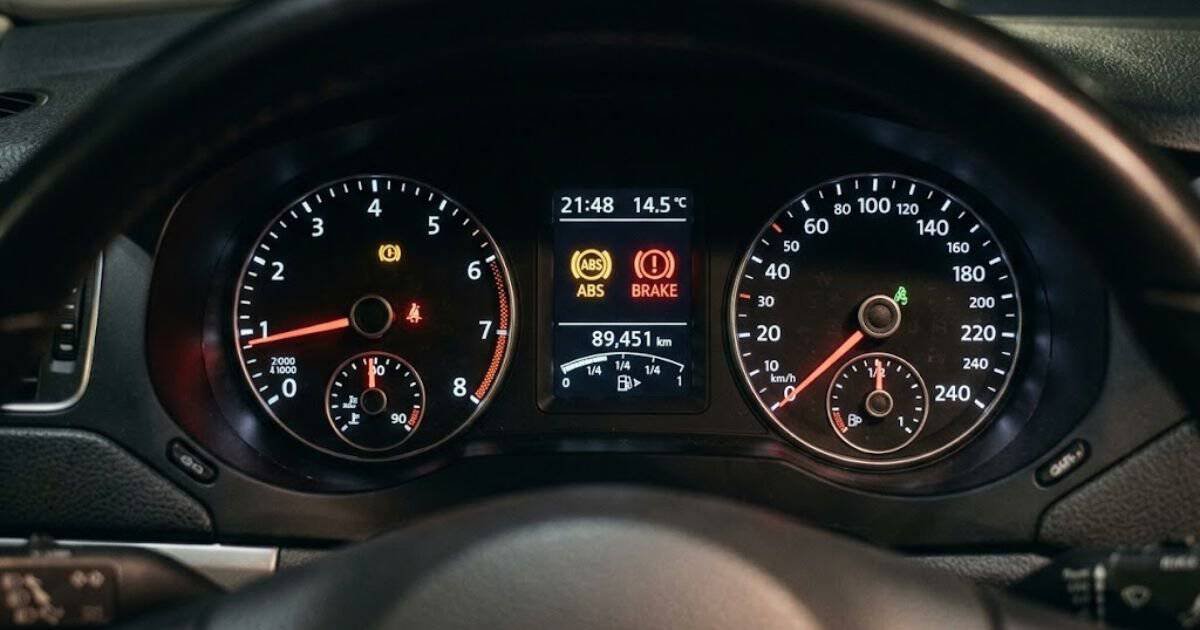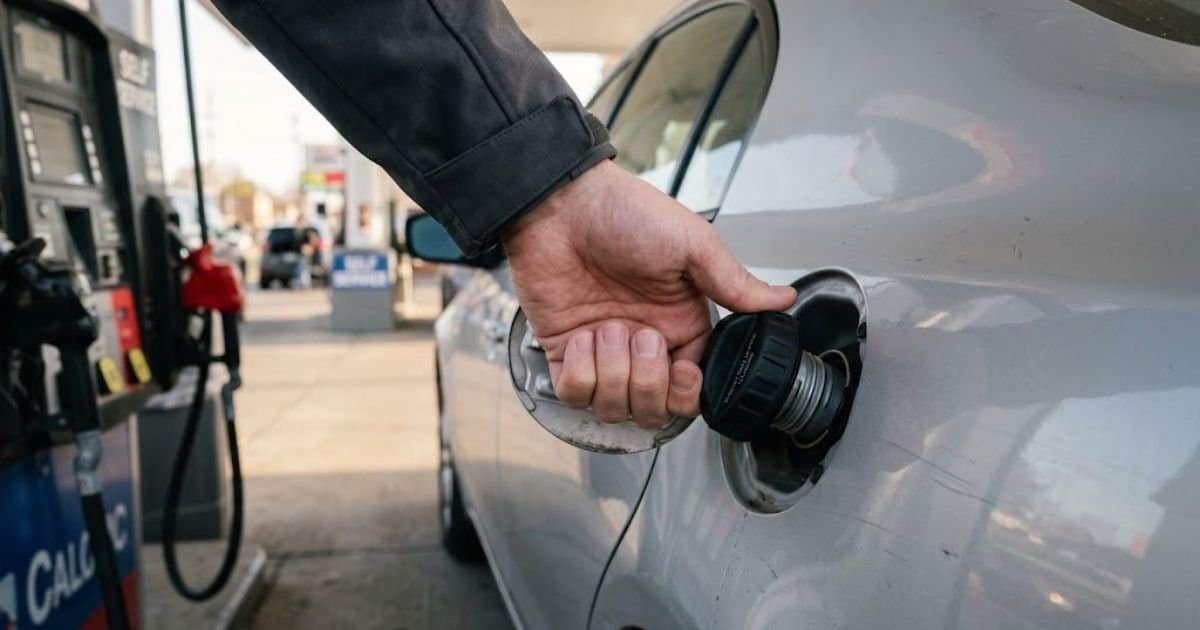
So you just got gas, climbed back in, started the car, and there it is. That little amber light staring at you from the dashboard.
Take a breath. This specific situation, the check engine light on after getting gas, is one of the most common and most fixable things that triggers that warning. Nine times out of ten it comes down to two things: your gas cap or your EVAP system. Neither one means your engine is about to quit on you.
This article is for drivers who noticed the light appear right after a fill-up. It won’t cover check engine lights that have been on for weeks, and it won’t cover lights that appeared after other repairs. That’s a different conversation.
Quick Answer
A check engine light after getting gas is often caused by a loose or poorly sealing gas cap. Check the cap first. If the warning stays on, scan the vehicle for an EVAP-related code.
- Check the gas cap: Remove it, inspect the rubber seal, then tighten the cap securely until it clicks.
- Check for an EVAP code: If the light remains on, an OBD-II scan can help identify codes such as P0442, P0455, P0456, or P0457.
- Get it diagnosed if it returns: A recurring EVAP warning may require further testing, such as an EVAP smoke test, to locate a leak.
Safe to drive? A steady check engine light is generally less urgent if the vehicle runs normally. A flashing check engine light can indicate a serious problem, so stop driving when safe and seek professional help.
Why Getting Gas Can Trigger the Check Engine Light
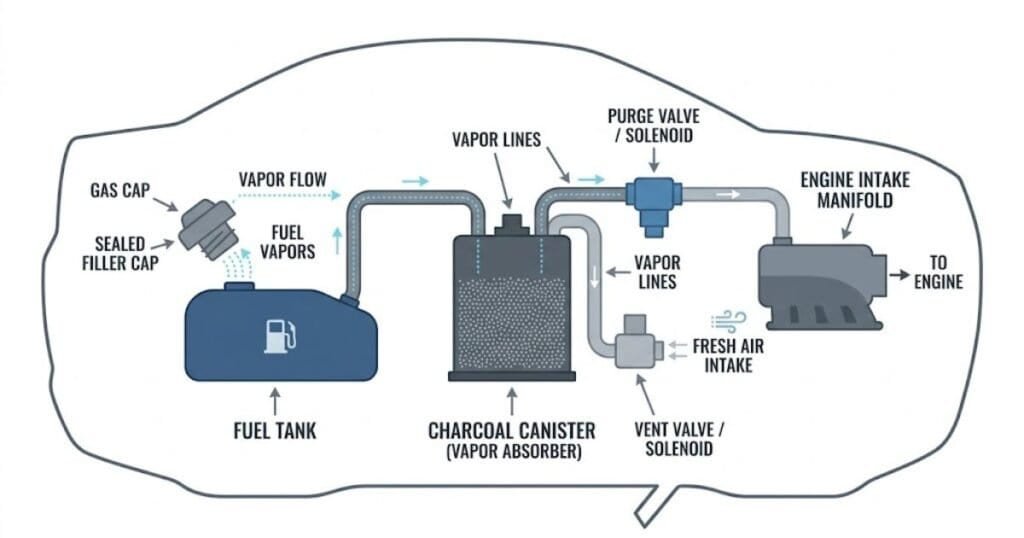
The check engine light on after getting gas is almost always caused by a disruption to the EVAP system, which is the sealed network of hoses, valves, and a charcoal canister that traps fuel vapors so they don’t escape into the air. Every time you open the fuel cap, you break that seal briefly. If the cap doesn’t reseal properly when you put it back, your car’s onboard system detects a vapor leak and switches on the light.
A loose, cracked, or missing gas cap lets fuel vapor escape from the EVAP system, and common gas cap-related codes include P0440, P0442, P0455, and P0457. Your car doesn’t know the difference between “owner forgot to tighten the cap” and “there’s a real crack somewhere in the system.” It just knows the pressure dropped. So it flags it. HiRide
According to the EPA’s emissions regulations, every passenger vehicle sold in the US after 1996 runs a self-test of the EVAP system during normal driving. That test usually runs within the first 20 minutes of a cold start. If you just got gas and drove away, the test kicks in and catches the problem almost immediately.
Here’s the thing: this is your car working exactly as designed. The warning exists specifically to catch fuel vapor leaks before they get worse. That’s a good thing, even if the timing feels awful.
The Gas Cap: Check This First, Right Now
Before you read anything else, do this one thing.
To check your gas cap after a fill-up, follow these steps:
- Turn off the engine and wait 30 seconds.
- Remove the gas cap completely.
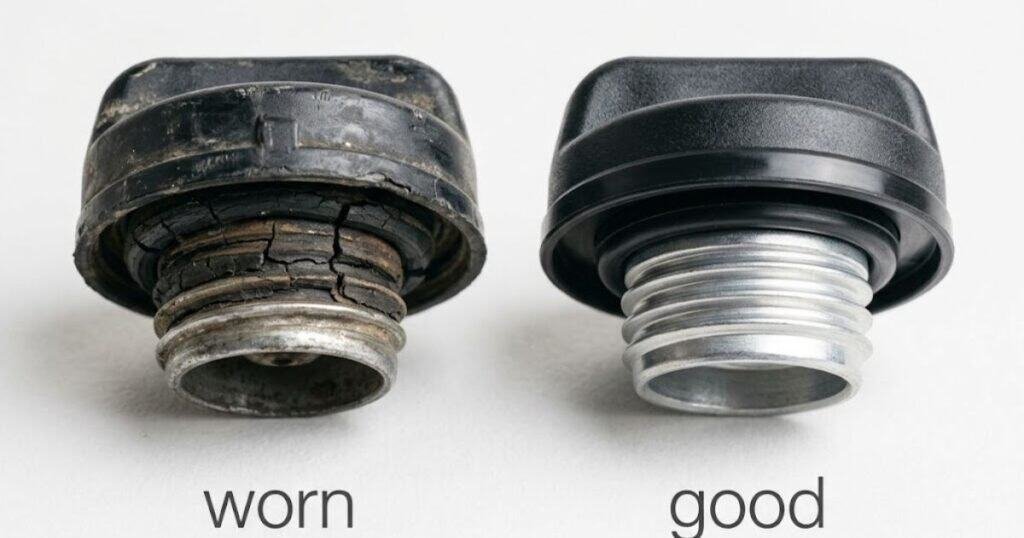
- Inspect the rubber gasket on the underside for cracks or flat spots.
- Reinstall the cap firmly and turn it until you hear 2 to 3 clicks.
- Drive normally for 3 to 5 trips and see if the light clears on its own.
If the light stays on after that, the problem may be another EVAP leak rather than the cap itself. HiRide
Most caps click when they’re seated correctly. If yours spins without clicking, or if the rubber seal looks cracked or compressed flat, a new cap is your next step. They typically cost $10 to $30 and are available at any auto parts store. Bring your make, model, and year so you get the right fit.
Quick note: some drivers overtighten the cap and crack the seal themselves without realizing it. Firm is fine. Cranking it as hard as you can is not.
The OBD Codes Behind This Problem
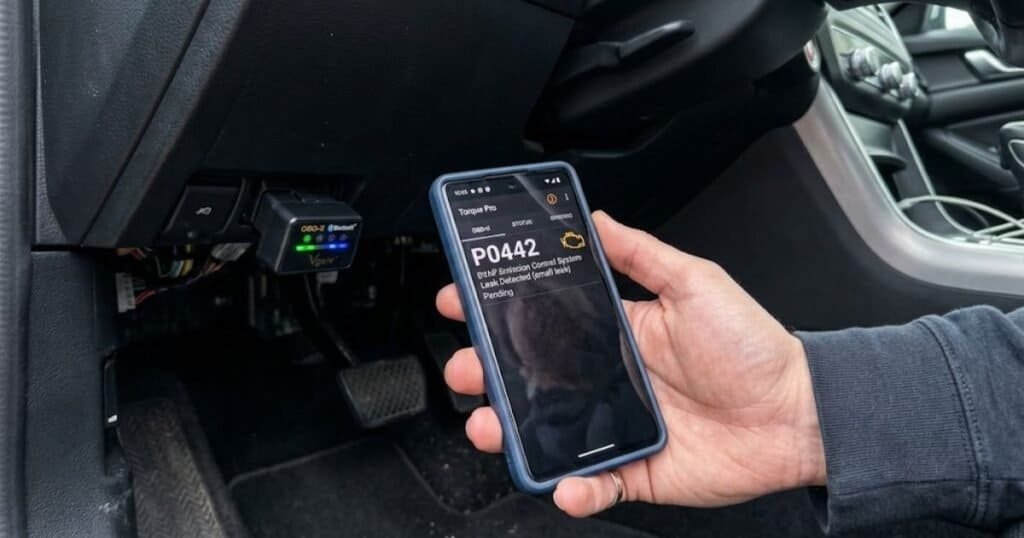
If tightening the cap doesn’t clear the light within a few days, grab an OBD-II scanner and read the code. You can borrow one free at most AutoZone, O’Reilly, or Advanced Auto Parts locations. Or pick up a BlueDriver or FIXD, which both connect via Bluetooth to your phone and give you plain-English explanations alongside the code.
Here’s what the codes actually mean:
| OBD Code | What It Means | Most Likely Cause | Typical Fix Cost |
|---|---|---|---|
| P0440 | EVAP system fault (general) | Loose cap or minor system leak | $0 to $150 |
| P0442 | Small EVAP leak detected | Loose cap, cracked EVAP hose | $10 to $200 |
| P0455 | Large EVAP leak detected | Missing cap, failed purge valve | $10 to $350 |
| P0456 | Very small EVAP leak | Worn cap seal, pinhole in hose | $10 to $250 |
| P0457 | Fuel cap loose or missing | Gas cap not seated | $0 to $30 |
P0442 means the PCM detected a pressure drop during the self-test, indicating a leak between 0.020 and 0.060 inches in diameter, which is smaller than a pencil tip, which is why these leaks are notoriously difficult to find by visual inspection alone. ErrorCodes
Or maybe I should say it this way: P0457 is basically your car telling you directly that the cap is the problem. P0442 and P0455 are less specific. They could still be the cap, but they might also be something deeper in the EVAP system if replacing the cap doesn’t clear them.
What If It’s Not the Gas Cap?
Most people assume the gas cap is always the answer. It’s the most common cause, but not the only one.
If you replaced the cap and the code came back within a week or two, the problem is somewhere else in the EVAP system. A smoke test identifies hidden leaks in the EVAP canister, purge valve, or vent valve and is the fastest way a shop pinpoints a leak that a visual check misses. Shops typically charge $75 to $150 for the test, which gets credited toward the repair if you go ahead with it. 616autorepair
Here are the other parts that cause the same codes:
EVAP Purge Valve: Controls when fuel vapors flow from the charcoal canister to the engine. When it sticks open or closed, it causes the same pressure imbalance as a loose cap. Replacement runs $100 to $200 including labor.
Charcoal Canister: Stores fuel vapors between drive cycles. Canisters crack with age or if the tank was consistently overfilled (which floods the canister with liquid fuel). Replacement: $150 to $400 depending on vehicle.
EVAP Vent Valve: Opens to let fresh air into the canister and closes during the pressure test. A faulty valve fails the self-test every time. Cost: $80 to $250.
Cracked EVAP Hoses: Rubber hoses connecting the canister to the fuel tank deteriorate over time, especially in climates with big temperature swings. Hard to spot by eye. A smoke test finds them in minutes.
Some experts argue a cracked hose or bad canister should be your first suspect if the car is over 10 years old. That’s valid for high-mileage vehicles. But if the light appeared specifically after getting gas and the car was completely fine before, start with the cap every time. The odds favor it.
Can You Keep Driving?
Yes, in most cases. A steady check engine light with one of the EVAP codes above means you can drive normally and shouldn’t see any performance change. The car is flagging a vapor leak, not a mechanical failure.
A flashing check engine light is a different story entirely. That almost always means an engine misfire, which can damage the catalytic converter within minutes of continued driving. Pull over safely and have the car towed or at least shut off until you know what the code is.
One thing that often gets skipped in guides: any active check engine light will fail an emissions test in states that require OBD-II inspection. If your registration renewal is coming up, don’t let this sit for weeks even if the car feels fine. ErrorCodes
The Overfilling Problem
Here’s a detail that surprises a lot of people.
Overfilling your gas tank, meaning you keep pumping after the nozzle clicks off, can flood the charcoal canister with liquid fuel rather than just vapor. The canister is designed to handle vapors only. Liquid fuel saturates the charcoal inside and degrades the canister’s ability to store vapors, which eventually trips the same EVAP codes.
One driver reported resolving a persistent P0442 code simply by stopping as soon as the nozzle clicked off, and never had the code return after that. When parts-swapping and diagnosis failed to fix it, a simple behavior change did. Gears Advisor
This is the one thing most EVAP guides skip entirely. If you’re someone who always “tops off” the tank to reach a round dollar amount or round gallon count, stop. When the nozzle clicks, you’re done.
Frequently Asked Questions
A loose or poorly sealing gas cap is a common cause. Check the cap’s rubber gasket for cracks or wear and make sure it tightens securely. If the problem keeps returning, the EVAP system may need further testing.
Tighten the gas cap securely and check that its seal looks intact. If the warning was caused by a temporary EVAP leak, it may clear after several normal drive cycles. If it stays on, scan the vehicle for diagnostic trouble codes instead of repeatedly resetting the light.
Not necessarily. A steady check engine light with a normally running vehicle is generally less urgent than a flashing light. Check the gas cap first, then scan for a diagnostic code if the warning remains.
EVAP-related codes such as P0442, P0455, P0456, and P0457 can occur when the fuel-vapor system detects a leak. P0457 is commonly associated with a loose or missing fuel cap, although the code should still be diagnosed rather than assuming the cap is the only cause.
Have the vehicle diagnosed if a properly installed replacement gas cap doesn’t solve the problem or the warning keeps returning. A shop can use an EVAP smoke test to locate leaks that aren’t visible during a basic inspection.
The Bottom Line
Look, if your check engine light just came on right after a fill-up, don’t panic and don’t ignore it. Check the gas cap first. Really check it, meaning remove it, inspect the rubber seal, and reinstall it with a firm click. Then drive normally for a few days and see if the light clears.
If it stays on, an OBD-II scanner tells you exactly which code you’re dealing with in under a minute.From there, you’ll know whether it’s a simple $15 cap replacement or something worth scheduling with a shop.
Most of the time, it’s the cap. And a $15 fix is a pretty good outcome for something that looks so alarming on your dashboard.