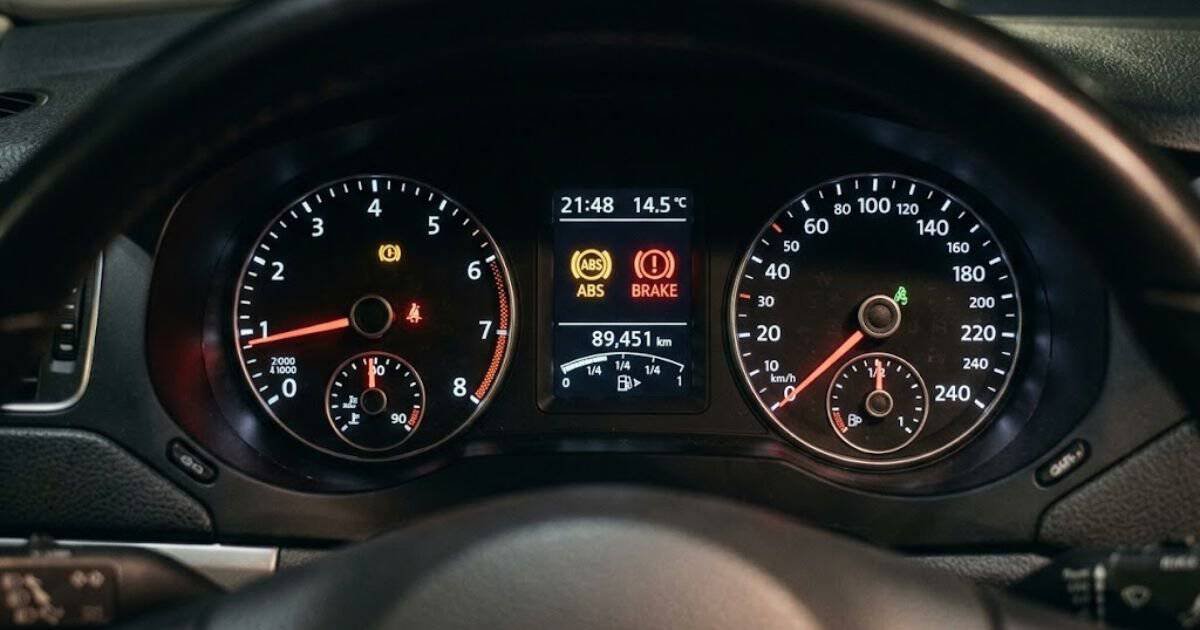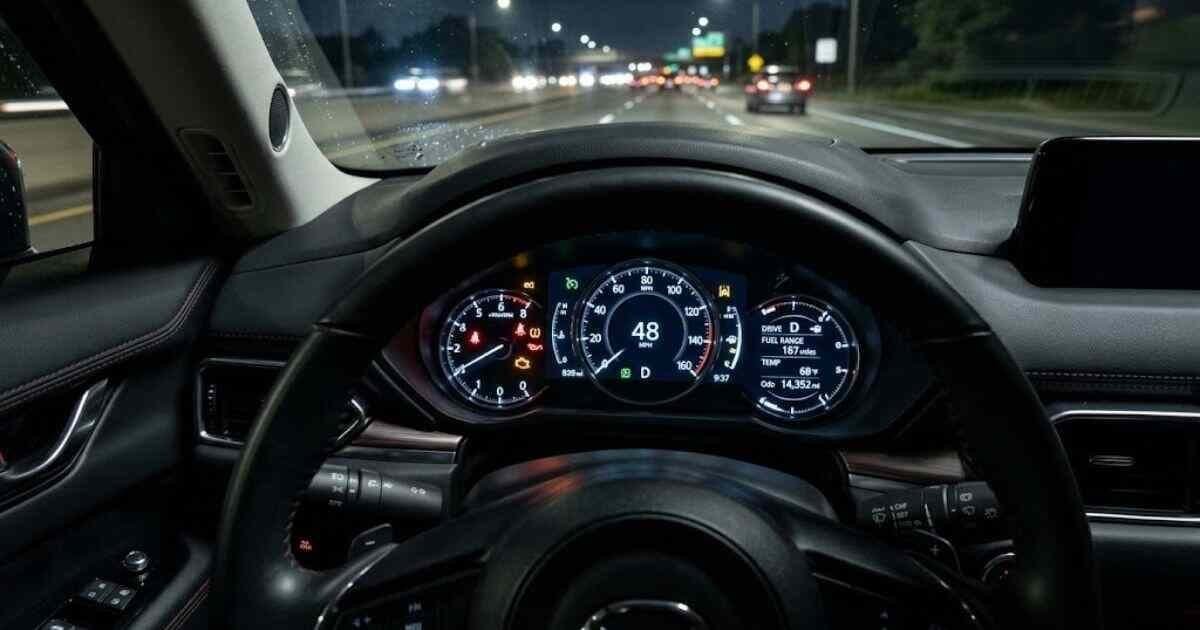
A light just appeared on your Mazda’s dashboard. Before searching for the symbol, look at the color and whether the light is steady or flashing. Those two things give you the fastest first read on urgency before you identify anything else.
This guide covers 30 commonly encountered Mazda warning, maintenance, and reminder indicators. It is not a complete list of every indicator available on every Mazda model and year. It uses Mazda’s current US documentation including the 2026 CX-5 as its primary reference.
Two things to know before reading further. Mazda warning lights vary by model, model year, and equipment, so always confirm the symbol in the owner’s manual for your specific vehicle. And color alone does not tell you the whole story. The symbol and the message on your Mazda’s display matter more than the color by itself.
Quick Answer
Red light: Stop safely and investigate before driving further. Amber light: A fault or condition needs attention. Many allow cautious short-distance driving, but some, including the transmission and brake-control warnings, do not.
Flashing check engine light: Reduce engine load and stop driving as soon as it is safe. This can indicate an active misfire or a serious engine management problem.
Multiple lights at startup: Many illuminate briefly during the normal system check. If they stay on after the engine starts, read the vehicle’s display message and scan for fault codes before assuming multiple systems have failed.
This guide covers petrol-powered Mazda models. It does not cover Mazda MX-30 EV high-voltage system warnings, which use a separate set of indicators.
Color Is a Guide, Not a Rule
Mazda uses a color system to signal urgency, but color alone is not a reliable substitute for reading the actual symbol and checking how the vehicle is behaving.
| Color | General meaning | Typical response |
|---|---|---|
| Red | Potentially serious or safety-critical | Stop safely or investigate immediately |
| Amber/Yellow | Fault, condition, or maintenance warning | Check the cause and arrange service |
| Green | Function is active | Usually no action needed |
| Blue | Lighting function is active | Usually no action needed |
| Flashing (any color) | Can indicate increased urgency or active system intervention | Check the specific symbol immediately |
Three examples of why color alone is not enough. A red seat-belt warning simply means fasten the belt. An amber transmission warning means Mazda specifically advises against continued driving because the transmission can sustain damage. An amber TPMS warning can be dangerous if a tyre is severely underinflated. The symbol and situation always determine the correct response.
Red Warning Lights: Stop or Act Immediately
1. Brake System Warning Light

The Mazda brake system warning light can indicate a problem with the brake system, including low brake fluid. Mazda instructs drivers not to continue driving with this warning on because braking performance could be compromised.
First check: confirm the parking brake is fully released. If the light goes out after that, no fault is present. If the warning remains illuminated, have the brake system inspected before driving further.
Drive-or-stop verdict: Stop. Do not drive with a persistent brake warning.
2. Engine Oil Pressure Warning Light
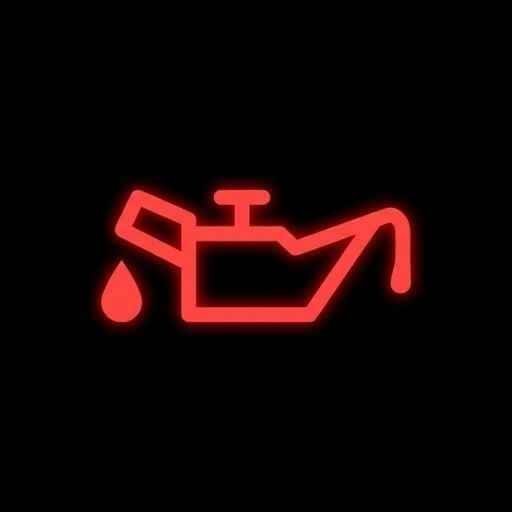
The Mazda oil pressure warning means the engine may not be receiving adequate lubrication. This is different from a routine oil-change reminder or oil-level alert. Low oil pressure can cause severe engine damage if you continue driving. Mazda instructs the driver to stop the engine safely as soon as it is safe to do so.
Once stopped on level ground, check the oil level. If the oil level is normal and the warning stays on after restarting, the car needs professional diagnosis before moving further.
Drive-or-stop verdict: Stop immediately. This is the most time-critical warning on any Mazda.
3. High Engine Coolant Temperature Warning Light
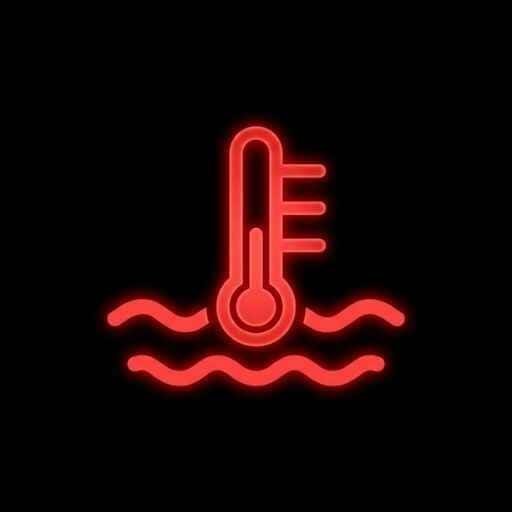
The coolant temperature warning means engine temperature has risen to a dangerous level. Mazda advises against continued operation because severe engine damage can result. Pull over safely and shut off the engine.
Allow the engine to cool before checking the cooling system. Never open a hot coolant cap. Pressure inside the system can cause serious burns even when the engine has been off for a short time.
Drive-or-stop verdict: Stop immediately.
4. Battery / Charging System Warning Light
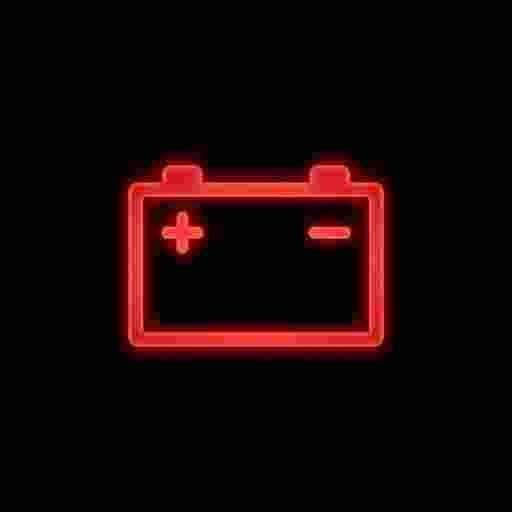
The battery warning appearing while the engine is running indicates a charging system problem. Mazda’s 2026 CX-5 documentation states to park in a safe place immediately and not continue driving because the engine may stop unexpectedly. The vehicle may continue running temporarily on stored battery power, but that reserve depletes quickly, especially with headlights, climate control, and other electrical loads active.
Switch off non-essential electrical loads and do not continue driving normally. Stop safely and arrange assistance.
Drive-or-stop verdict: Stop safely and arrange assistance.
5. Key Warning Light
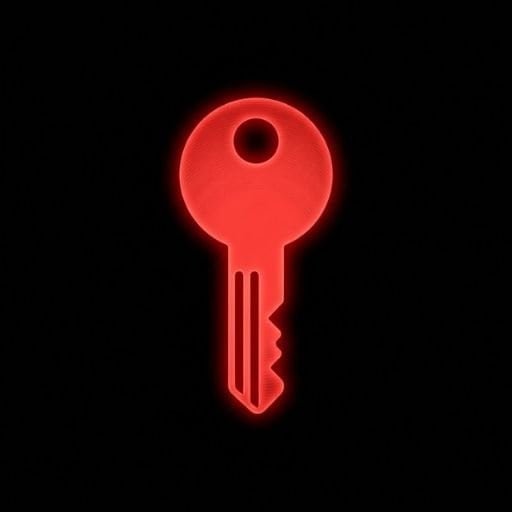
The red key warning light indicates a potential problem with the keyless entry or vehicle start system. Check that the correct key is inside the vehicle and that the keyless system is operating normally. Note that the 2026 CX-5 documentation distinguishes between the red key warning light and a separate green flashing key indicator. The green flashing indicator specifically relates to low key battery power. The red warning points to a broader system issue that may require diagnosis.
Drive-or-stop verdict: If the vehicle is running, drive to a shop. If it won’t start normally, the car needs assistance.
6. Front Seat Belt Warning Light
![Mazda front seat belt warning light red symbol indicating unfastened front belt]](https://carwarnings.com/wp-content/uploads/2026/08/mazda-front-seat-belt-warning-.jpg)
A front occupant has not fastened their seat belt, or the passenger seat sensor is detecting an object on the seat. Fasten all seat belts before moving. Mazda lists front and rear seat belt warnings separately in its current CX-5 documentation.
Drive-or-stop verdict: Fasten the belt before moving.
7. Rear Seat Belt Warning Light
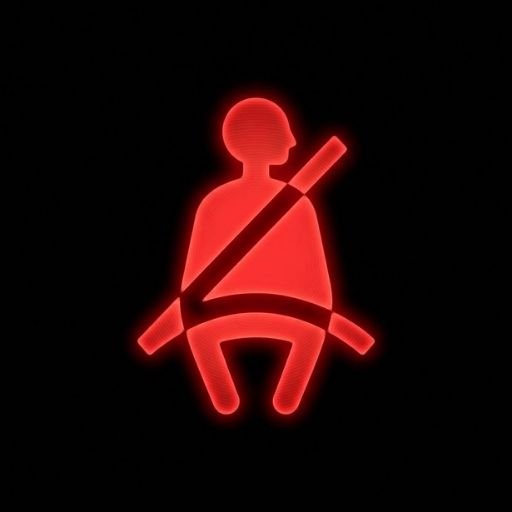
A rear occupant’s seat belt is not fastened. Check all rear seating positions before driving.
Drive-or-stop verdict: Fasten the belt before moving.
8. Electric Parking Brake (EPB) Indicator

The EPB indicator lights when the electric parking brake is applied and goes off when it is released. If it stays on after releasing the brake, or starts flashing, Mazda indicates the system may have a malfunction.
Drive-or-stop verdict: Confirm the parking brake is fully released. If the warning remains or flashes, have the system inspected before driving on steep gradients.
Safety System Warning Light
The airbag warning is listed separately because its color can vary by Mazda model and model year. Assigning it strictly to red or amber would be inaccurate across the full range.
9. Airbag / Seat Belt Pretensioner Warning Light

This warning means the supplemental restraint system has detected a problem. Mazda states that a persistent or flashing airbag warning means the system may not operate correctly in a crash.
The car drives normally with this warning on, which is exactly why it is easy to dismiss. Do not dismiss it. Have the system diagnosed by a qualified technician rather than simply clearing the warning. Do not attempt to service airbag or pretensioner components yourself.
Drive-or-stop verdict: The vehicle is driveable but arrange professional diagnosis promptly.
Amber Warning Lights: Service Needed Soon
10. Check Engine Light (Malfunction Indicator Light)
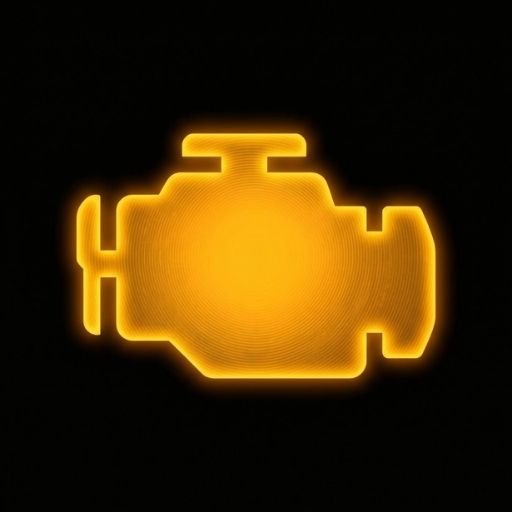
The Mazda check engine light can indicate a fault in the engine management, emissions control, or transmission control system. Mazda also lists a very low fuel level and an improperly secured fuel filler cap among possible causes on the CX-5.
A steady light with the vehicle running normally generally allows cautious driving, but the fault should be scanned and investigated promptly.
A flashing light requires a different response. Reduce engine load and stop driving as soon as it is safe. A flashing check engine light can indicate an active engine misfire or another serious engine management fault. Continuing to drive risks damaging the catalytic converter.
Drive-or-stop verdict: Steady: drive cautiously and scan within 24 hours. Flashing: reduce load and stop driving as soon as safe.
Learn our complete CX-5 specific dashboard guide]
11. ABS Warning Light
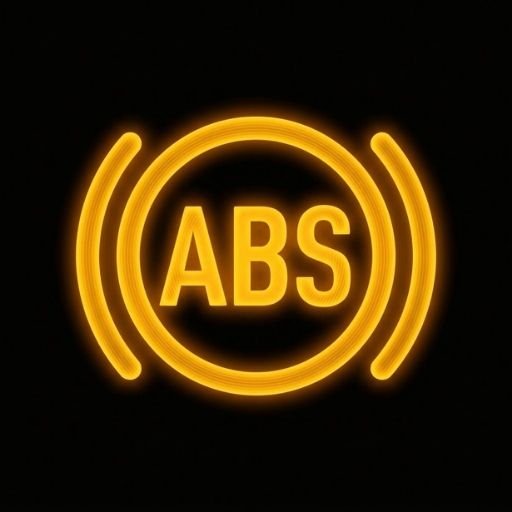
The ABS system has detected a fault. Regular braking continues to operate, but the anti-lock function may not activate during emergency braking. On wet or slippery surfaces, stopping distance can increase.
If the ABS warning appears alongside the red brake system warning, Mazda gives this additional urgency. Stop safely and arrange inspection immediately in that case.
Drive-or-stop verdict: Driveable for short distances if braking feels completely normal and no other warnings are present. Avoid highways and slippery roads.
12. Master Warning Light

The master warning light is a general fault indicator that works alongside the message shown in the instrument cluster or center display. The message identifies the affected system. The triangle alone does not.
Read the vehicle’s display message before doing anything else. If no message appears, scan for fault codes rather than assuming the system is fine.
Drive-or-stop verdict: Depends entirely on the accompanying message and how the vehicle is behaving.
13. Electric Power Steering Warning Light
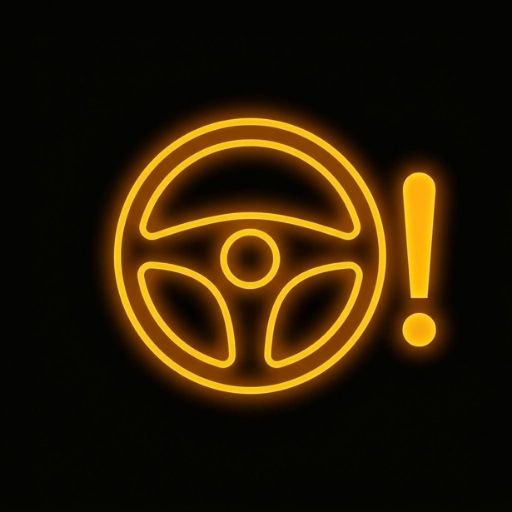
The electric power steering system has detected a potential malfunction. Steering may feel significantly heavier than normal, particularly at low speeds and while parking. Mazda recommends stopping safely and arranging inspection if the warning remains.
Drive-or-stop verdict: Avoid unnecessary driving until the system has been inspected. Heavy steering effort increases risk, particularly at higher speeds.
14. Brake Control System Warning Light

A fault has been detected in a brake control system component. Mazda recommends having the vehicle inspected when this warning remains illuminated because braking is a safety-critical function.
Drive-or-stop verdict: Arrange diagnosis promptly. Do not treat this as a low-priority amber light.
15. Automatic Transmission Warning Light

The automatic transmission has detected a problem. Mazda specifically warns against continuing to drive normally with this warning on because the transmission can sustain damage.
The transmission may enter a reduced-performance mode to protect itself. Drive only to the nearest safe location or repair facility.
Drive-or-stop verdict: Do not continue normal driving. Get to a shop.
16. AWD Warning Light

The all-wheel drive system has detected a fault. Mazda also notes that mismatched tyre sizes can trigger the AWD warning on applicable models, which is worth considering if tyres were recently replaced.
Check the vehicle’s display message and have the system inspected if the warning remains.
Drive-or-stop verdict: Drive cautiously to a shop. Avoid situations requiring significant all-wheel traction until the system is diagnosed.
17. TPMS / Tyre Pressure Warning Light
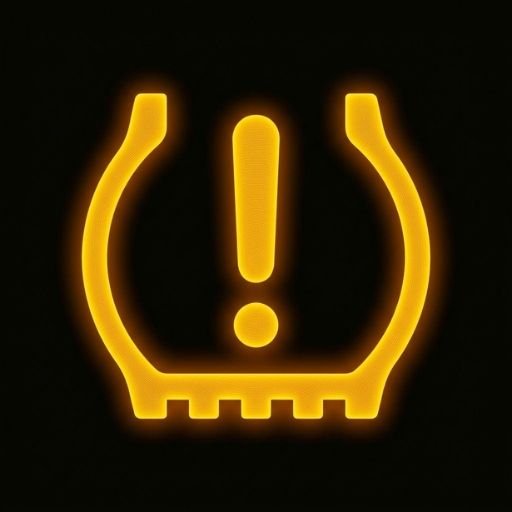
The TPMS warning means the system has detected a tyre pressure problem. When the light is flashing rather than steady, it can indicate a TPMS system malfunction rather than a specific pressure issue.
Check all four tyres when they are cold and inflate them to the pressure shown on your Mazda’s tyre and loading information label, not the maximum pressure printed on the tyre sidewall. Those are two different figures. Mazda warns against high-speed driving with the TPMS warning illuminated because a tyre can fail if the warning is ignored.
US government tyre pressure and TPMS guidance
Drive-or-stop verdict: Check tyre pressures immediately. Do not drive at highway speed until all tyres are confirmed safe.
18. TCS / DSC Indicator Light
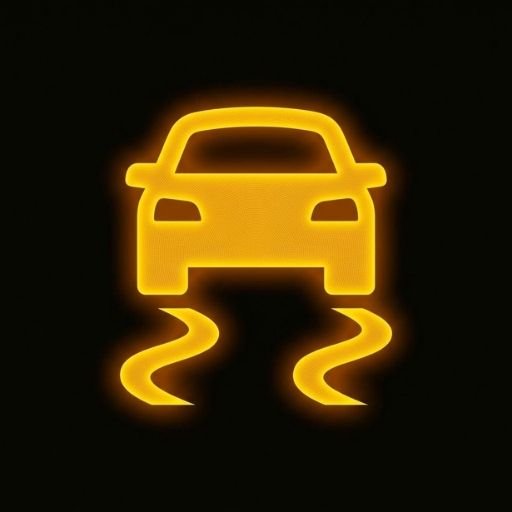
A briefly flashing TCS/DSC light while driving on slippery surfaces is normal. The system is actively working. A steady amber light means traction control, dynamic stability control, or brake assist may have a fault.
Drive-or-stop verdict: Briefly flashing is normal operation. Steady amber means arrange diagnosis within a few days.
19. i-stop Warning Light
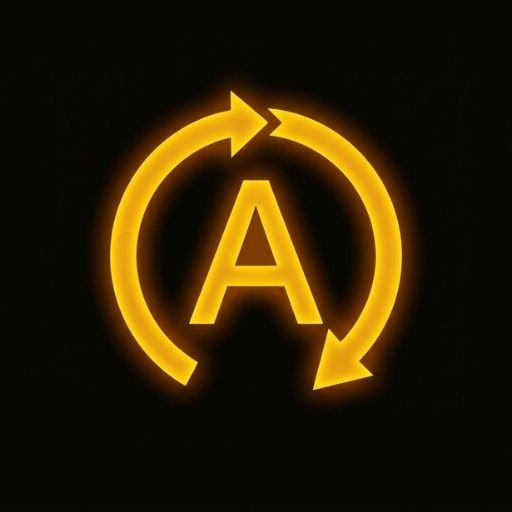
The i-stop automatic engine start/stop system has detected a problem. This is a fault in the i-stop function, not the engine itself. Common triggers include a battery below its operating threshold, air conditioning running at full capacity, or the engine not yet at operating temperature.
If the warning persists across multiple drive cycles, have the battery and charging system tested rather than assuming the i-stop system itself has failed.
Drive-or-stop verdict: Driveable. Arrange diagnosis when convenient.
20. High Beam Control System (HBC) Warning Light
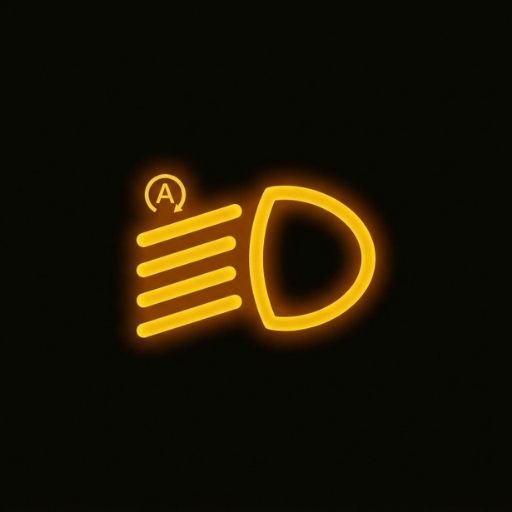
The automatic high beam control system has detected a fault. Normal headlight operation continues, but the camera-based automatic high/low beam switching may not function correctly.
Drive-or-stop verdict: Driveable. Exercise manual control over high beams. Arrange inspection when convenient.
21. Adaptive LED Headlights (ALH) Warning Light

The adaptive LED headlight system has a fault. Mazda lists this separately from the HBC warning in its current CX-5 documentation. Standard headlight function may still operate.
Drive-or-stop verdict: Driveable with extra caution at night. Arrange inspection.
22. i-ACTIVSENSE Warning Light
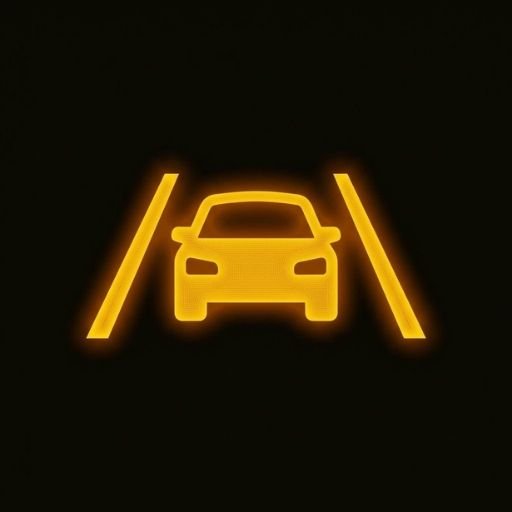
Mazda’s i-ACTIVSENSE system includes several driver assistance features such as Smart Brake Support, blind spot monitoring, and lane-related safety systems. If the i-ACTIVSENSE warning remains on, one or more of these assistance features may be unavailable.
Normal driver-controlled braking and steering remain available, but you should not assume every driver assistance function is working normally. Smart Brake Support, for example, provides automatic braking intervention in certain situations and is part of the i-ACTIVSENSE suite. Read the instrument cluster message to identify which specific system is affected.
Drive-or-stop verdict: Driveable. Arrange diagnosis. Do not assume all driver assistance features are fully operational while the warning is present.
23. Exterior Lights Warning Light
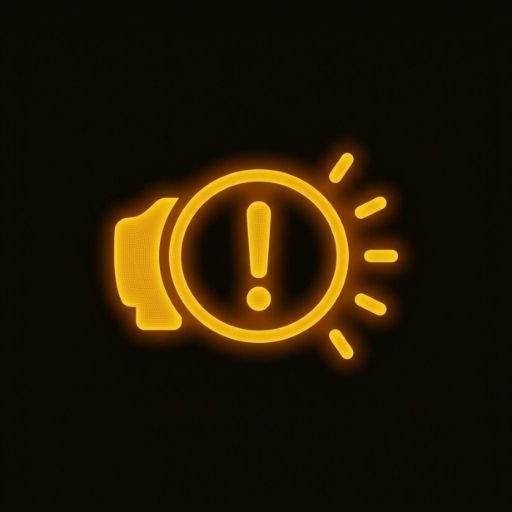
One or more exterior lights have a fault. When safely parked, walk around the car and check headlights, brake lights, reverse lights, turn signals, and number plate lights. Mazda’s current CX-5 documentation includes the exterior lights warning as a dedicated indicator and advises against driving with a lighting malfunction because poor visibility and the inability to signal braking or turning can cause an accident.
Drive-or-stop verdict: Avoid driving until the failed exterior light is identified and repaired, especially if a brake light, turn signal, or headlight is affected.
24. Low Fuel Warning Light
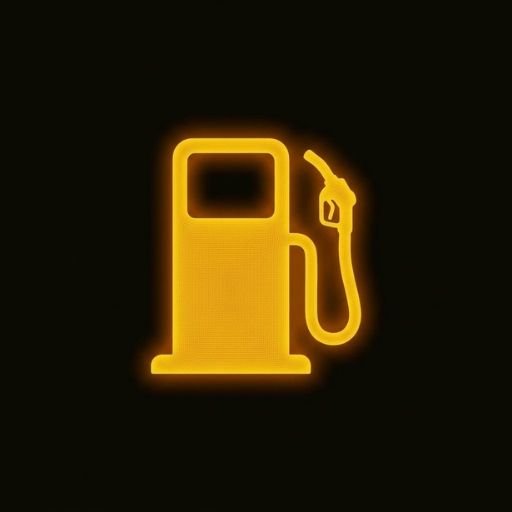
The fuel level is low. This is not a mechanical fault. Refuel as soon as practically possible rather than continuing until the tank is completely empty.
Drive-or-stop verdict: Driveable. Refuel at the earliest opportunity.
25. Engine Oil Level Warning Light
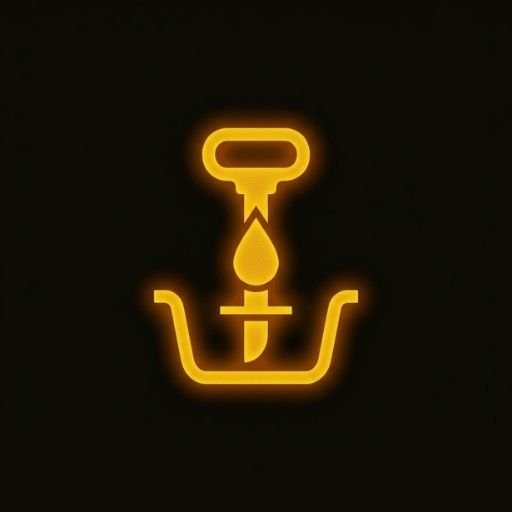
This warning means the engine oil level is low. It is different from the red oil pressure warning, and that distinction matters. The oil level warning means there is less oil in the engine than recommended. The oil pressure warning means the engine is not receiving adequate lubrication right now.
Mazda’s current CX-5 documentation lists the engine oil level warning and the engine oil pressure warning as separate indicators. Check and top up the oil according to the owner’s manual procedure.
Drive-or-stop verdict: Check and top up immediately. Persistent oil consumption points to a leak or burning oil that needs professional diagnosis.

26. Low Washer Fluid Warning Light
The windshield washer fluid reservoir is low. Refill with an appropriate washer fluid.
Drive-or-stop verdict: No urgency. Refill at your next opportunity.
27. Wrench / Maintenance Indicator Light

The wrench indicator is a scheduled maintenance reminder, not a warning that a system has failed. It should not be treated as equivalent to the check engine light. Check your Mazda’s maintenance information display to identify which service is due and schedule it with a qualified technician.
Drive-or-stop verdict: No urgency. Schedule the service appointment.
Status and Reminder Indicators
28. Security Indicator Light
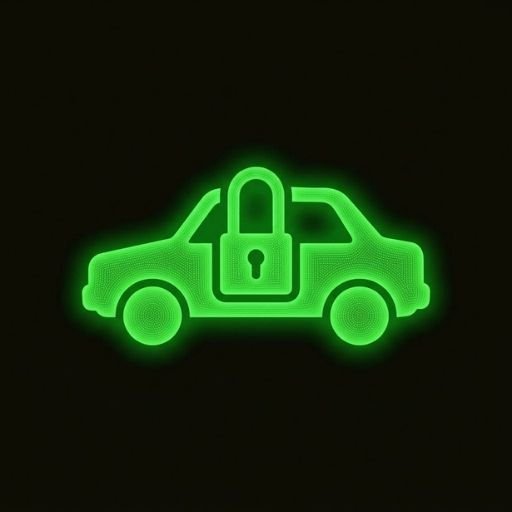
A flashing security indicator with the ignition off is a normal sign that the immobilizer is armed. If the indicator flashes abnormally with the ignition on, or the vehicle won’t start with the correct programmed key, further diagnosis is needed.
Drive-or-stop verdict: Normal when the system is armed. A concern only when it accompanies a no-start condition with the correct key present.
29. Door, Hood or Liftgate Open Warning
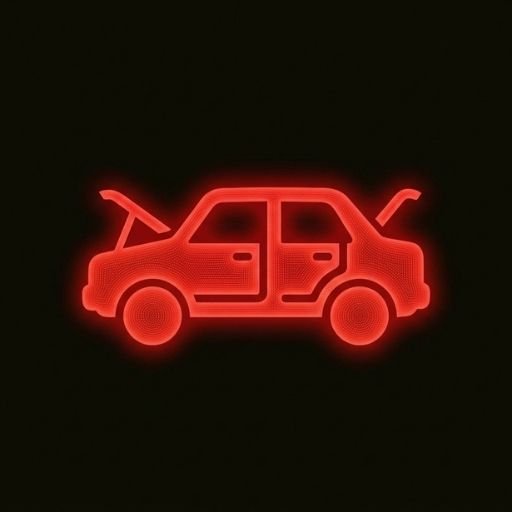
A door, the hood, or the liftgate is not fully closed. Stop safely and check every closure before driving. Mazda groups door, liftgate, and hood-open warnings in its current CX-5 documentation. If everything is properly shut but the warning remains, a latch or sensor fault needs inspection.
Drive-or-stop verdict: Stop and close the opening before continuing.
30. Rear Seat Alert Warning Light
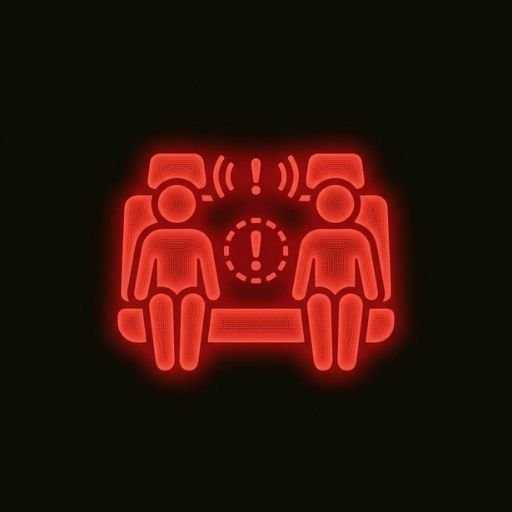
The Rear Seat Alert reminds the driver to check the rear seating area before leaving the vehicle. Mazda includes this as a dedicated indicator in its current CX-5 documentation.
Drive-or-stop verdict: Check the back seats before walking away from the car.
Drive-or-Stop: Complete Mazda Quick Reference Table
| Warning Light | Typical Color | Drive? | Urgency |
|---|---|---|---|
| Engine oil pressure | Red | No, stop immediately | Immediate |
| Coolant temperature | Red | No, stop immediately | Immediate |
| Brake system (persists) | Red | No | Immediate |
| Battery/charging | Red | No, stop safely | Same day |
| Key warning | Red | To shop only if running | Same day |
| Airbag/pretensioner | Varies by model | Yes, arrange diagnosis | Promptly |
| Check engine (flashing) | Amber | Reduce load, stop when safe | Urgent |
| Automatic transmission | Amber | To shop only | Same day |
| Brake control system | Amber | Arrange diagnosis | Promptly |
| Exterior lights | Amber | Avoid until repaired | Today |
| ABS (alone) | Amber | Short trips, normal brakes only | Within 2 days |
| Check engine (steady) | Amber | Cautiously | Within 48 hours |
| Power steering | Amber | Cautiously | Within 2 days |
| TPMS | Amber | Check tyres first | Today |
| AWD | Amber | Cautiously to shop | Within a week |
| TCS/DSC (solid) | Amber | Yes | Within a week |
| i-ACTIVSENSE | Amber | Yes, with reduced assistance | Arrange diagnosis |
| i-stop | Amber | Yes | When convenient |
| HBC / ALH | Amber | Yes, manual high beam control | When convenient |
| Engine oil level | Amber | Top up first | Today |
| Low fuel | Amber | Refuel | Today |
| Washer fluid | Amber | Yes | Next refill |
| Wrench/maintenance | Amber | Yes | Schedule service |
| Security (normal flash) | Any | Normal | None |
| Seat belt | Red | Fasten first | Now |
| Door/hood/liftgate | Any | Close it first | Now |
| Electric parking brake | Red/Amber | Confirm release, inspect if persists | As needed |
| Rear seat alert | Any | Check rear seats | Now |
When Several Mazda Warning Lights Come On at Once
When several Mazda warning lights appear at the same time, they may share a common cause such as a charging system fault, a low battery, or a communication fault between control modules. But multiple lights can also represent separate, unrelated faults, particularly on higher-mileage vehicles or where warnings have been appearing gradually over time.
The correct first step is to read every message shown in the instrument cluster display and identify each warning individually. Then scan the vehicle for stored fault codes across all available modules rather than replacing parts based on the warning symbols alone.
A basic OBD-II scanner reads powertrain codes but may not access ABS, body control, or transmission module codes. A scanner that reads all available modules gives you a much more complete picture when multiple lights appear together.
Why several dashboard lights appear together and how to find the root cause
Mazda Warning Lights and OBD-II Codes
When the Mazda check engine light comes on, an OBD-II scanner reads the specific fault code stored by the vehicle’s engine management system. That code identifies which circuit or system detected the fault, and it is the starting point for diagnosis, not a confirmation of which part needs replacing.
OBD-II codes are especially useful when the Mazda check engine light illuminates. Common examples include P0128 (thermostat below temperature), P0171 (fuel system lean), P0300 to P0306 series (engine misfires), P0420 (catalytic converter efficiency), P0442, P0455, and P0456 (EVAP system leaks), and P0016 (camshaft and crankshaft correlation). The exact code and its meaning can vary by Mazda model, engine, year, and control module, so always verify against the vehicle’s specific diagnostic information.
A Mazda dashboard symbol does not tell you which part to replace. The diagnostic code identifies what the system detected. Testing the suspected component or circuit confirms the actual fault.
Individual Mazda OBD-II code guides covering P0128, P0300, P0420, P0442, P0455, P0456, P0171, and P0016 will be added to this site as the code cluster is built out. Each guide covers what the code means, common causes on Mazda models, estimated repair cost ranges, and whether the vehicle is safe to drive.
Confirms icon meanings and recommended driver actions directly from Mazda
Mazda Warning Lights by Model
Mazda warning lights vary between models and model years. This page uses the 2026 CX-5 as its primary reference. A dedicated model-specific page covers the full CX-5 warning light list in detail, including indicators that appear only on certain trims or equipment packages.
Complete CX-5 dashboard symbol guide with model-specific detail
Model-specific pages for the Mazda3, CX-30, CX-50, CX-90, and MX-5 Miata will be added as they are completed. Using a generic Mazda guide for a specific model can result in mismatched symbols, particularly for driver assistance and technology indicators that differ between generations.
Frequently Asked Questions
What does a red warning light mean on a Mazda?
Red generally means a potentially serious or safety-critical condition. Oil pressure, coolant temperature, and brake system warnings all require you to stop the engine safely before driving further. A red seat-belt warning simply means fasten the belt. Always read the symbol alongside the color because color alone does not determine the correct response.
How do I know if my Mazda check engine light is serious?
A steady check engine light with the vehicle running normally allows cautious driving, but scan the fault code within 24 hours. If the light is flashing, reduce engine load and stop driving as soon as it is safe. A flashing light can indicate an active misfire or another serious engine management fault that risks catalytic converter damage.
Why did several warning lights come on in my Mazda at once?
Multiple lights appearing together may share a common cause such as a charging system problem or a battery fault, but they can also represent separate issues. Read the vehicle’s display messages, scan all available modules for stored fault codes, and investigate before replacing any parts.
Should I drive my Mazda with the ABS light on?
Only for short distances if the ABS light is the only warning and your brakes feel completely normal. Conventional braking still operates, but the anti-lock function may not work during emergency braking. Avoid highway speeds and wet or slippery conditions until the system is diagnosed.
What does the Mazda wrench light mean?
The wrench indicator is a scheduled maintenance reminder, not an engine fault warning. It is separate from the check engine light. Check your Mazda’s maintenance information display to identify which service is due and schedule it.
The Bottom Line
Color gives you a first clue. The symbol and the message on your Mazda’s display give you the actual answer.
Red warning lights involving oil pressure, coolant temperature, or the brake system require you to stop the car safely before driving further. The battery warning requires the same. An amber transmission warning and an amber brake control warning are also situations where Mazda specifically advises against continued normal driving, regardless of their amber color. The exterior lights warning should also be treated as a reason not to drive until the affected light is identified and repaired.
For everything else: identify the symbol, check the vehicle display message, and use an OBD-II scanner that reads all available modules before spending money at a shop. Knowing the exact fault code before you speak to a technician almost always means a faster, more accurate repair.
Because Mazda warning lights vary by model, model year, and equipment, use this guide as a starting point and confirm the symbol in the owner’s manual for your specific vehicle.
Check your Mazda VIN for open recalls before assuming a warning light requires a paid repair