
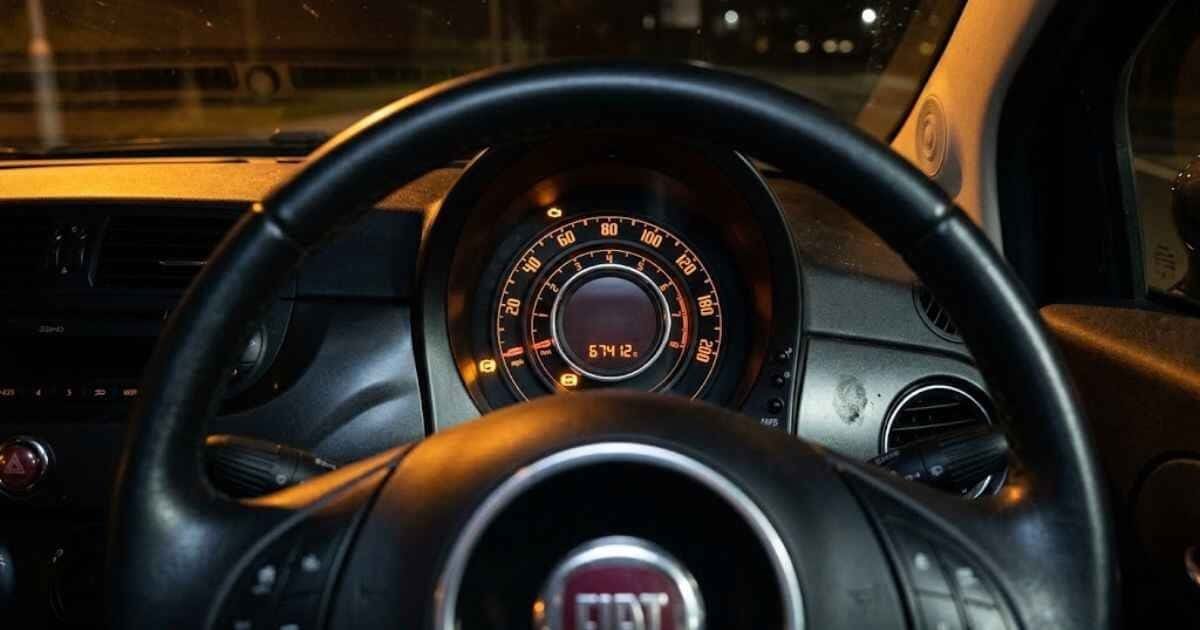
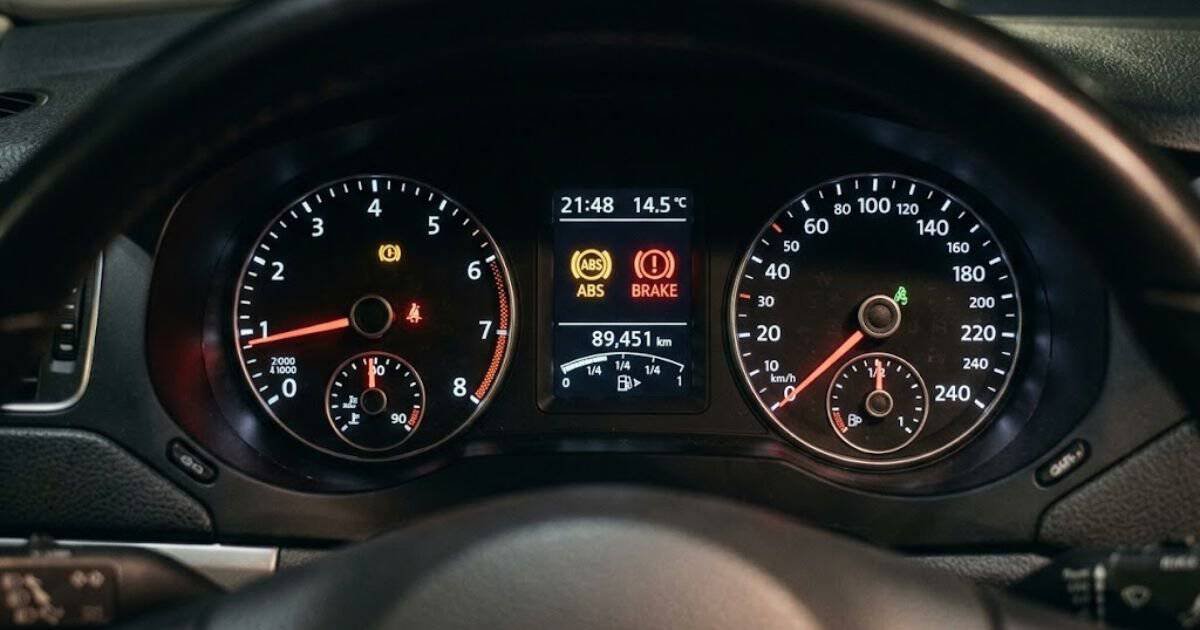
If the Fiat 500 ABS warning light stays on after starting the car, the ABS system has detected a fault and the anti-lock function may not be working.
Can you still drive? Usually, yes—but only if the ABS light is the only warning, the brake pedal feels completely normal, and the car is braking normally. Drive carefully and get the ABS system checked as soon as possible.
If the red Brake Warning Light appears with the ABS light, or the brake pedal feels soft, spongy, or unusually low, stop driving and have the vehicle inspected immediately.
Quick Answer: Fiat 500 ABS Warning Light
ABS light only + normal brakes: You can usually drive carefully to a repair shop.
ABS + red Brake Warning Light: Stop driving and get the braking system checked.
ABS + soft/spongy brake pedal: Stop driving.
ABS + traction/ESC warning: Drive cautiously only if braking feels completely normal and arrange a diagnostic check.
ABS light disappears after restarting: The fault may be intermittent. If it returns, scan the system.
This guide covers petrol Fiat 500 models across multiple generations. Warning behavior and equipment can vary by model year and market, so your owner’s handbook takes priority for your specific vehicle.
What Does the Fiat 500 ABS Warning Light Mean?
The ABS light monitors the Anti-Lock Brake System.
It is normal for the light to illuminate briefly when you switch the ignition on as the car performs its startup checks. The problem is when it stays on after startup or comes on while driving.
This means the vehicle has detected a fault in the ABS system.
It does not automatically mean your normal brakes have completely failed.
Your Fiat 500 may still brake normally, but the anti-lock function may not operate during hard braking. On wet, slippery, or loose surfaces, that can make the vehicle harder to control during an emergency stop.
For the exact warning-light meaning for your model year, check the official Fiat owner handbook. Fiat’s eLUM portal lets owners find the handbook by VIN or vehicle selection.
Can You Drive With the Fiat 500 ABS Light On?
Yes, usually for a short distance if the ABS light is the only warning and the brakes feel completely normal.
Drive gently and go directly to a repair shop or diagnostic facility.
Avoid:
- High speeds
- Hard braking
- Aggressive driving
- Slippery roads where possible
- Long trips
The car may still have conventional braking, but you should assume ABS assistance is unavailable until the fault is repaired.
Stop driving if:
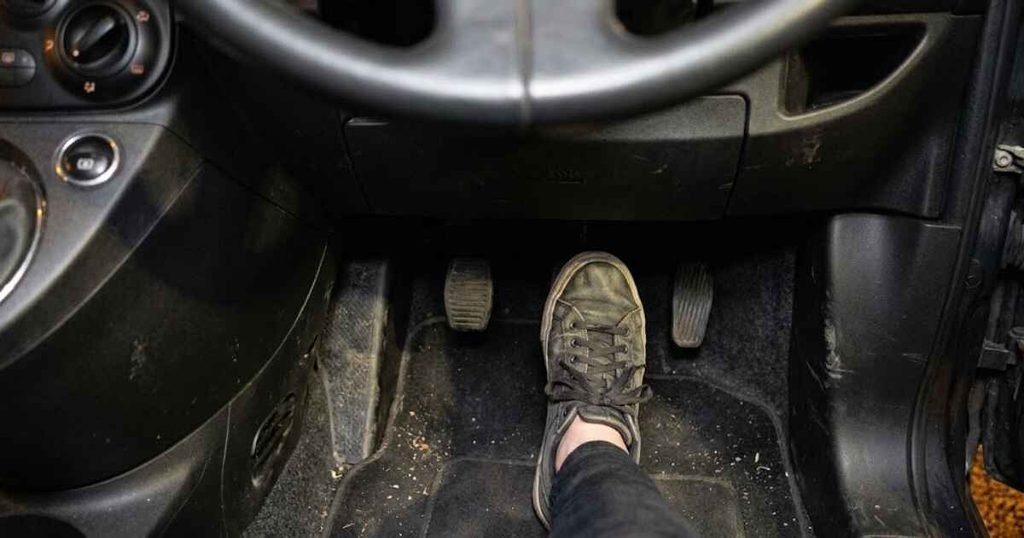
- The red Brake Warning Light also comes on
- The brake pedal feels soft or spongy
- The pedal travels unusually far
- Braking performance is reduced
- The car pulls strongly while braking
- You see leaking brake fluid
- You hear unusual braking noises
- Multiple serious warning lights appear
If any of these happen, don’t assume the problem is simply a wheel-speed sensor.
Fiat’s owner manual describes the same situation: when the ABS warning remains illuminated, the anti-lock function is unavailable, while conventional braking can continue to operate normally if the separate brake warning isn’t also illuminated.
What the ABS Warning Light Cannot Tell You
The ABS warning light tells you that the system has detected a fault, but the light itself does not identify the failed component.
The cause could be something relatively simple, such as a wheel-speed sensor or wiring problem, or something more expensive involving the ABS control system. You cannot reliably choose the replacement part from the dashboard symbol alone.
The next step is to scan the ABS system for fault codes. An appropriate diagnostic scanner can identify which circuit or system has reported the fault, giving you a much better starting point for diagnosis.
Don’t buy an ABS sensor, module, or other replacement part based only on the warning light. Read the fault code first, then confirm the underlying problem before spending money on parts.
ABS Light + Red Brake Warning Light
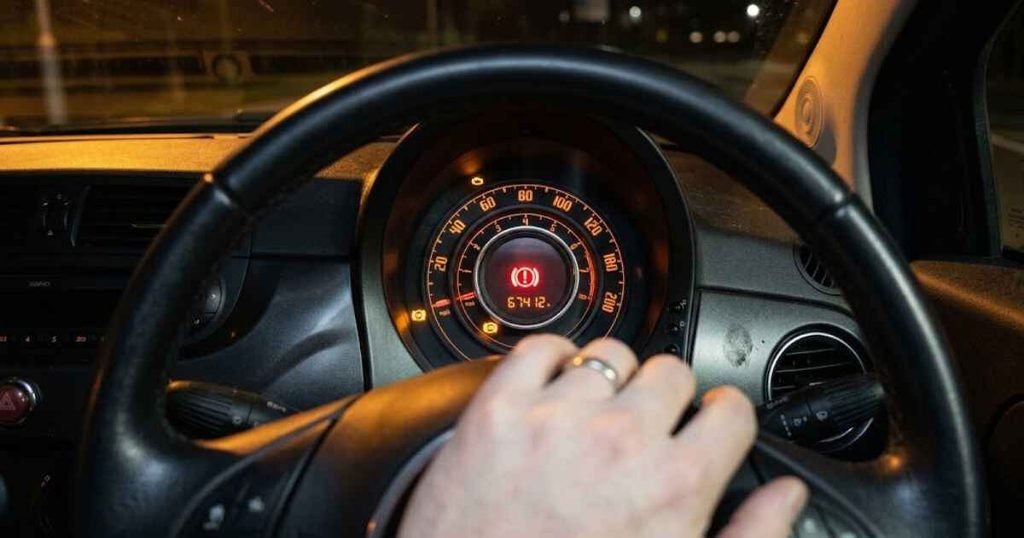
This combination deserves much more attention.
The red Brake Warning Light can indicate a brake-system problem, including low brake fluid or another braking-system fault.
If both lights are on, stop safely and arrange an inspection.
If the brake pedal feels abnormal, don’t drive the car to the shop.
The key rule is simple:
ABS light alone = potentially driveable.
ABS + red brake warning = treat as an immediate safety problem.
What Causes the Fiat 500 ABS Warning Light?
The dashboard light doesn’t identify the failed component. Several problems can trigger it.
1. Wheel-Speed Sensor
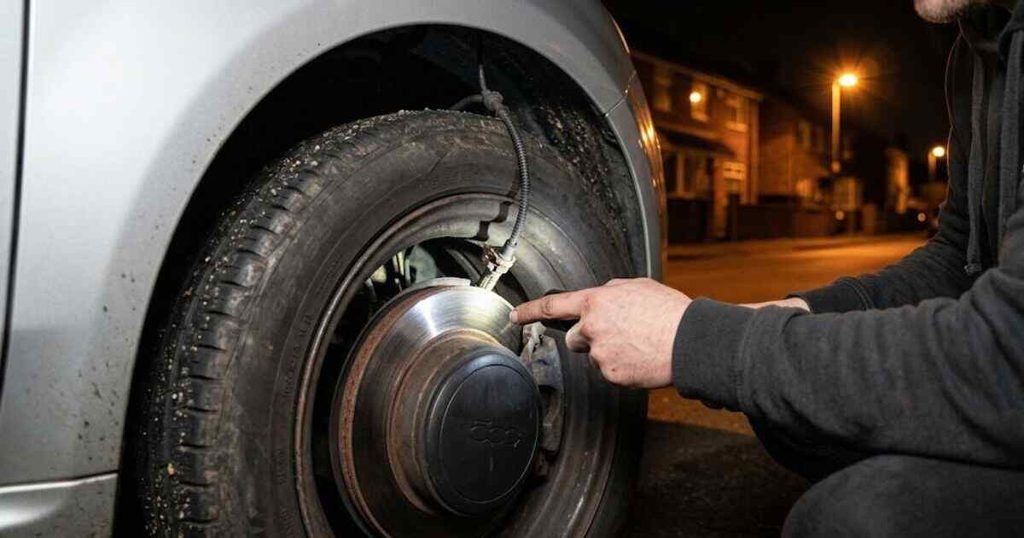
The ABS system monitors the speed of each wheel.
A faulty or damaged wheel-speed sensor can prevent the ABS module from receiving the correct information and trigger the warning light.
However, don’t replace a sensor just because the ABS light is on. A diagnostic scan should identify which circuit or system has reported the fault.
2. Damaged Wiring or Connector
The sensor may be working correctly while its wiring or connector has a problem.
Corrosion, physical damage, moisture, or a loose connection can interrupt the signal.
This is particularly worth checking if the warning appeared after wheel, tire, brake, or suspension work.
3. ABS Module or Hydraulic Unit
The ABS control module processes wheel-speed information and controls the anti-lock system.
A module or hydraulic-unit fault can also trigger the warning.
These problems require proper diagnosis before expensive parts are replaced.
4. Electrical or Low-Voltage Problem
A weak battery, charging problem, poor electrical connection, or other voltage issue can sometimes cause multiple electronic warning lights.
If several warning lights appeared at the same time, have the vehicle’s electrical system checked as well as the ABS system.
What Should You Check First?
Don’t start buying parts.
Use this order:
1. Check the other warning lights.
Is the ABS light alone, or is it accompanied by the red brake warning, ESC, traction control, or another warning?
2. Check the brake pedal.
It should feel firm and consistent. If it suddenly feels soft, stop driving.
3. Think about when the light appeared.
Did it happen after:
- Tire replacement?
- Brake work?
- Suspension work?
- Battery replacement?
- Hitting a pothole?
Tell the technician.
4. Scan the ABS system.
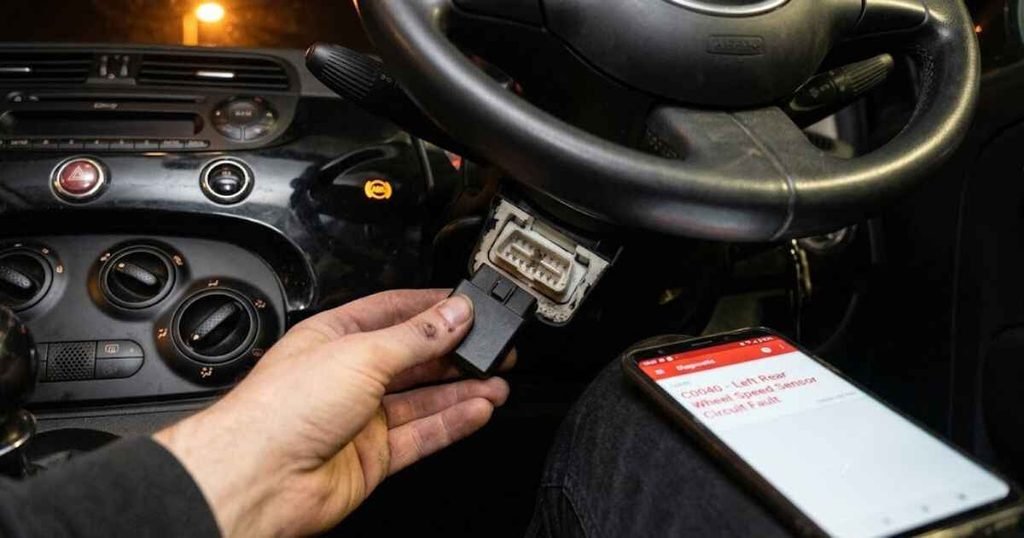
This is the most useful next step.
A basic OBD-II scanner may only read generic engine/emissions codes. An ABS fault may require a scanner capable of communicating with the ABS module.
5. Don’t clear the code before diagnosing it.
The stored fault information can help identify the problem.
Fiat 500 ABS Light With Other Warning Lights
ABS + Traction/ESC Warning
The systems share information, so one underlying fault can trigger multiple warnings.
If the brakes feel normal, drive cautiously to a diagnostic facility.
ABS + Check Engine Light
Don’t assume the two warnings are unrelated.
Scan the vehicle and check which modules have stored faults.
ABS + Red Oil or Temperature Warning
The red warning takes priority.
Stop safely and deal with the red warning first.
What If the ABS Light Goes Away?
Don’t automatically assume the problem is fixed.
An intermittent electrical connection or sensor problem can cause the warning to appear and disappear.
If it returns:
- Note when it happens
- Note your speed
- Note weather or road conditions
- Check whether other warning lights appear
- Scan the ABS system
Intermittent faults can be easier to diagnose when you can tell the technician exactly when the warning occurs.
Should You Reset the ABS Warning Light?
No—not before finding the cause.
Clearing the warning doesn’t repair the ABS system.
The better sequence is:
- Scan the ABS system.
- Record the fault code.
- Diagnose the affected component.
- Repair the problem.
- Clear the code.
- Confirm the warning stays off.
Resetting first can remove useful diagnostic information.
Fiat 500 ABS Warning Light: Drive or Stop?
| Situation | Drive? | What to do |
|---|---|---|
| ABS light only, brakes normal | Usually short distance | Drive carefully to a shop |
| ABS + ESC/traction light | Cautiously | Diagnose soon |
| ABS + red Brake Warning Light | No | Stop and arrange inspection |
| ABS + soft brake pedal | No | Stop driving |
| ABS + reduced braking | No | Seek assistance |
| ABS disappears after restart | Possibly | Scan if it returns |
How to Find the Exact Cause for Your Fiat 500
Before scanning or calling a mechanic, note:
- Model year and engine type
- Fuel type
- Exact warning lights displayed
- Whether the ABS light is steady or intermittent
- Any dashboard message
- Whether the warning appeared after brake, tire, or suspension work
- Any change in braking performance
These details can make diagnosis faster.
Most importantly, don’t choose a replacement part based only on the ABS symbol. The warning light tells you that the system has detected a problem; the diagnostic code helps identify where to investigate.
Frequently Asked Questions
What does the ABS light mean on a Fiat 500?
It means the ABS system has detected a fault. The anti-lock function may not be available, although conventional braking can continue to work normally if there is no separate brake-system warning.
Is it safe to drive with the Fiat 500 ABS light on?
Usually for a short distance if the ABS light is the only warning and the brakes feel completely normal. Drive carefully and have the system diagnosed soon.
Can I drive with the ABS and red brake lights on?
No. Treat this combination as a more serious braking-system problem and arrange immediate inspection.
Can a bad wheel-speed sensor cause the ABS light?
Yes, a wheel-speed sensor or its wiring can cause an ABS fault. However, the warning light alone doesn’t prove the sensor is defective. Scan the ABS system before replacing parts.
Why did my ABS light disappear?
The fault may be intermittent. If the light returns, have the ABS system scanned rather than assuming the problem has permanently disappeared.
Can a cheap OBD2 scanner read ABS codes?
Not always. Many inexpensive scanners focus on generic engine and emissions codes. An ABS-capable or advanced diagnostic scanner may be required.
The Bottom Line
The Fiat 500 ABS warning light does not automatically mean you’ve lost your brakes.
If the ABS light is the only warning and your brake pedal feels normal, you can generally drive carefully for a short distance to have the system diagnosed.
But if the red Brake Warning Light appears too, or braking feels different, stop driving.
Don’t replace an ABS sensor based only on the dashboard light.
Scan the ABS system, identify the fault, repair the underlying problem, and then clear the warning.
For a complete explanation of Fiat 500 dashboard symbols, see our Fiat 500 Warning Lights guide. For the related amber triangle warning, see our Fiat 500 Amber Triangle Warning Light guide.

2 thoughts on “Fiat 500 ABS Warning Light: What It Means and Can You Still Drive?”